
Category: door Installation
Best Commercial Door Installation Services in NJ (2026 Guide)
Posted On: May 2, 2026
Whether you run a retail store or manage an office building, a safe and reliable entry system isn’t optional. Therefore, if your current door is broken, you need a new one to manage access, protect your property, and keep your employees and customers safe. This is when you think about your options and ask yourself, “What are the best commercial doors in NJ?”
Well, there are several options, and you need to learn about them all to pick the right one. Stay with us as we will discuss different commercial doors that you can go for in 2026.
7 Best Commercial Doors for Modern Commercial Spaces in NJ
Commercial doors come in different shapes and forms, and they serve different functions depending on the needs of your space, from security and access control to durability and fire safety. Some of the best types of commercial doors that businesses in New Jersey can use include:
Steel Doors
These are strong, heavy-duty doors that come as single or double panels and work on a standard hinge system. They’re made to last and handle frequent use without issue.
Pros:
- Durable and hard to damage or break into
- Low maintenance when compared with other door materials
- Come in a range of sizes and configurations
Cons
- Rusting is a big problem if the coating gets damaged
- Might not be as visually appealing as you want
- Can be pretty much heavy
Best For: Offices, warehouses, schools, storage facilities, and any spaces where security and durability are more important than appearance.
Glass Commercial Doors
Glass doors are framed doors with a full or partial glass panel. They open on standard hinges or pivots and let light in while helping manage the access control.
Pros
- Provide a welcoming look for customers
- Keep your place lit with natural light
- Best option for modern commercial interiors
Cons
- They’re obviously more delicate than steel or aluminum
- Demand continuous maintenance and cleaning
- Can be a security risk if not fortified
Best For: Retail stores, salons, offices, and any customer-facing business that requires a modern look.
Aluminum Storefront Doors
Aluminum doors are one of the best commercial doors because they are lightweight and durable enough to handle constant use without needing much upkeep. They typically use a push or pull mechanism.
Pros
- Lightweight and easy to operate
- Resistant to rust and requires low maintenance
- Easy to customize in different finishes and sizes
Cons
- Not as strong for high-security buildings
- Vulnerable to dent or bend under heavy impact
- Easily transfer heat and cold
Best For: Retail stores, restaurants, pharmacies, and any business that needs an entry that looks clean
Automatic Storefront Doors
These doors use motion sensors or push buttons to open and close on their own. They’re powered by a motor inside the frame and move automatically.
Pros
- Very convenient for high-traffic commercial spaces
- Accessible for customers with disabilities
- Create a professional and modern first impression
Cons
- Higher installation and maintenance cost
- Power outages can cause problems
- Require regular servicing to keep the motor working properly
Best For: Grocery stores, hospitals, hotels, malls, and any high-traffic business where convenience and accessibility matter.
Fire-Rated Commercial Doors
These are special doors that are designed to slow or stop the spread of fire and smoke. They’re made from steel or solid wood cores treated to withstand high temperatures.
Pros
- Protect against fire and smoke
- Required by code in many commercial buildings in NJ
- Built to last
Cons
- More expensive than other commercial doors
- Require routine inspection and maintenance
- Heavier than other types of doors
Best For: Office buildings, hospitals, schools, warehouses, and any commercial space that must have a fire-rated door according to building code.
Wood Commercial Doors
Wood commercial doors are solid-core doors made from engineered or natural wood. They operate on a standard hinge system and are typically used in interior commercial spaces.
Pros
- Beautiful and professional appearance
- Better sound insulation
- Can be painted or stained to match your interior
Cons
- Highly vulnerable to extreme weather conditions
- Require more maintenance than steel or aluminum
- Can be susceptible to forced entry
Best For: Law offices, hotels, corporate offices, and any interior commercial space where appearance and soundproofing are important.
ADA-Compliant Commercial Doors
These doors are designed to meet the Americans with Disabilities Act requirements. They’re wider than standard doors, operate with minimal force, and often come with automatic openers or lever-style hardware to make access easy for everyone.
Pros
- Make your space accessible to everyone, including wheelchair users
- Required by law in most public-facing commercial spaces
- Reduce liability risks for your business
Cons
- Wider openings mean you require more space in the door frame area
- High upfront and installation costs
- Installation must follow exact specifications with no room for error
Best For: Any public-facing commercial space in New Jersey, including retail stores, medical offices, government buildings, schools, and restaurants.
How Do You Decide If Your Space Needs a New Door?
You aren’t going to replace a door that’s working fine. You’ll only get a new door when the older one is giving you signs that it’s the right time. So, what are those signs? Read below:
- It takes more than one try before your door opens or closes
- Your door is showing visible cracks, dents, or warping that won’t go away even after getting it repaired
- Even with the door shut, you can still feel air coming in from its sides
- Its lock or latch doesn’t work the way it used to
- Your door no longer meets building codes or ADA requirements
When your older door starts giving you these signals, it means it can no longer keep your building secure and people inside safe. This is when you should start exploring new options.
Choosing the Right Door For Your Space: Consider These Factors
A good commercial door should fit the style of your space, meet code requirements, and handle daily use without issue. To pick such a door, you’re going to have to consider these factors:
- How many people come in and out of your space on a daily basis
- Whether you’ll use this door as a primary or secondary entry point
- What’s your budget for both buying and installing the door
- How durable the door material is, and whether it can handle the daily use in your commercial space and local weather
- How easy the door is to maintain because high-traffic spaces don’t have time for regular maintenance
- Whether the door meets building codes and fire safety requirements in NJ
In short, choosing the right door means you’ll have to take a number of factors into account, from material and durability to building codes.
Installing a New Door? Choose Alpha Doors & Security
Purchasing a door is only one side of the coin because the next big step is getting it installed. A small installation mistake can cost you the whole investment. Let Alpha Doors & Security handle the process the right way. Our certified installers come equipped with the right tools, expertise, and experience to set up any kind of commercial door in all types of buildings.
FAQs
What is the most commonly used commercial door in NJ?
Hollow metal and aluminum storefront doors are the most commonly used commercial doors in NJ because they are durable, low-maintenance, and work well in most building types.
How long do commercial doors last?
Most commercial doors last between 20 and 30 years, depending on the material, how often they are used, and how well they are maintained.
Do I need a permit to install a commercial door in NJ?
Most commercial door installations in New Jersey require a permit. Most of the time, installers handle this as part of the job.
What is the most secure commercial door material?
Steel is generally the most secure option because it is hard to damage, resistant to forced entry, and built for heavy-duty use.
Can I install a commercial door myself?
It isn’t recommended. Commercial door installation in NJ requires permits, code compliance, and specialized tools that most people don’t have access to.










Alpha Doors & Security
Related Blogs
How Much Does Commercial Door Installation Cost in NJ 2026?
In commercial spaces, doors face constant use, weather exposure, and heavy foot traffic, which leads…
Types of Commercial Doors and How They Work
Commercial properties depend on durable and efficient entry systems to manage daily operations. From retail…
Complete Guide to Commercial Door Repair in New Jersey
Commercial properties rely heavily on functional and secure entry systems. Whether it is a retail…
Benefits of Intercom Systems for Office Buildings in NJ
An office building without a proper entry control system is an open invitation for problems.…
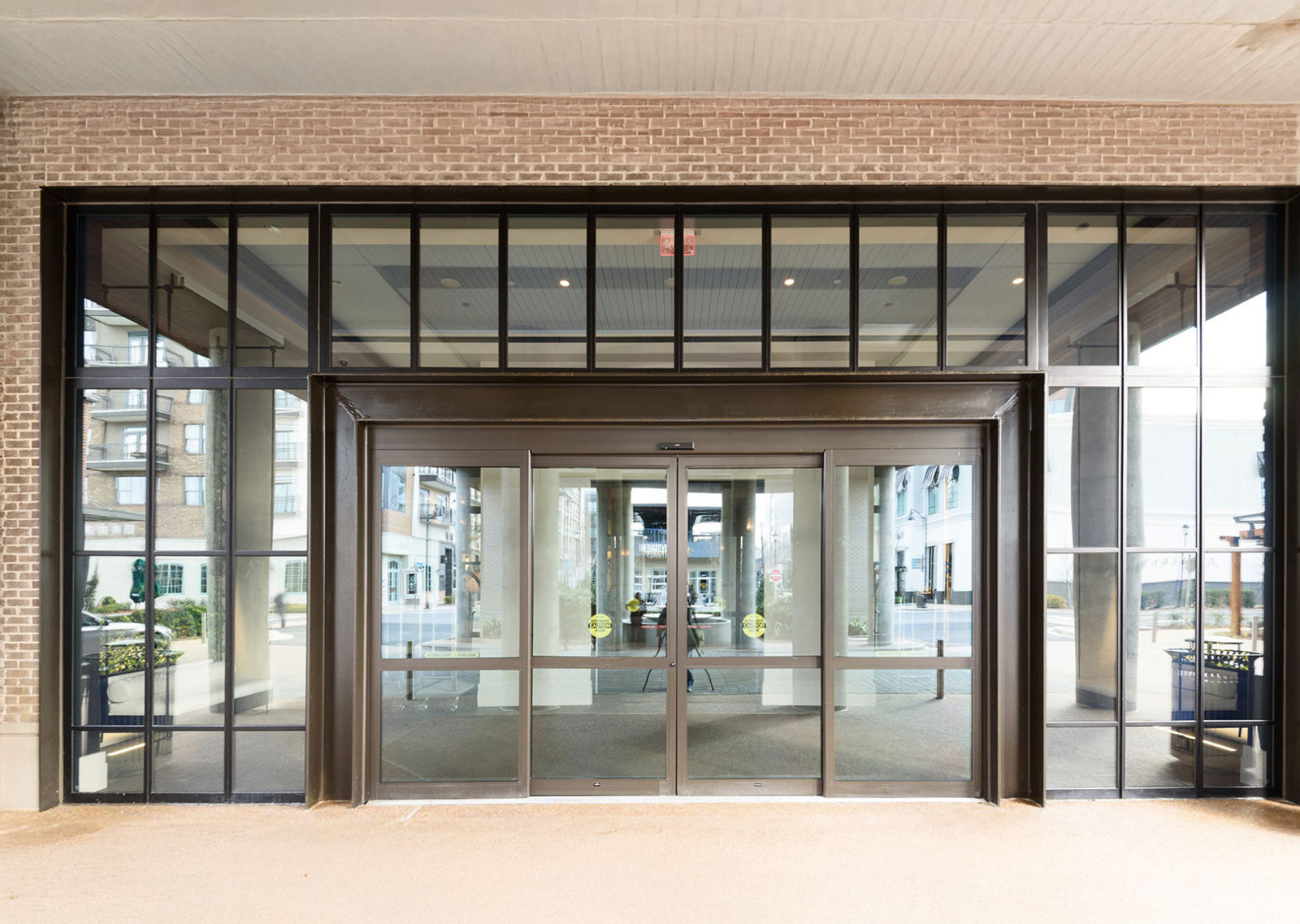
Complete Commercial Door Repair Services in New Jersey
When it comes to protecting your business and ensuring smooth operations, commercial door repair is…
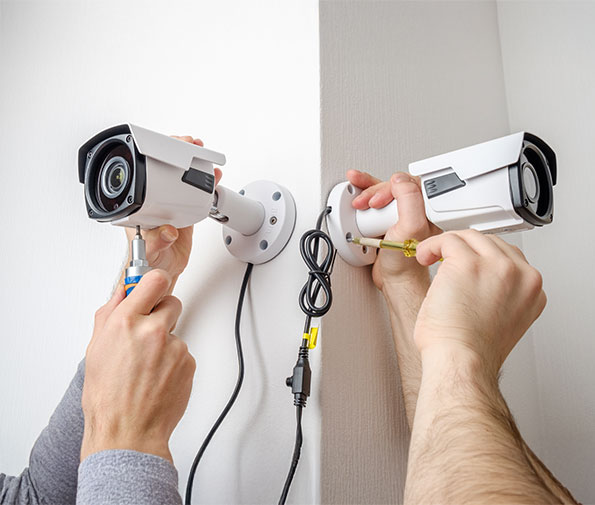
Why Businesses Need CCTV Surveillance Systems in NJ
Security threats for businesses in New Jersey are not going down. Retail shrinkage, workplace incidents,…
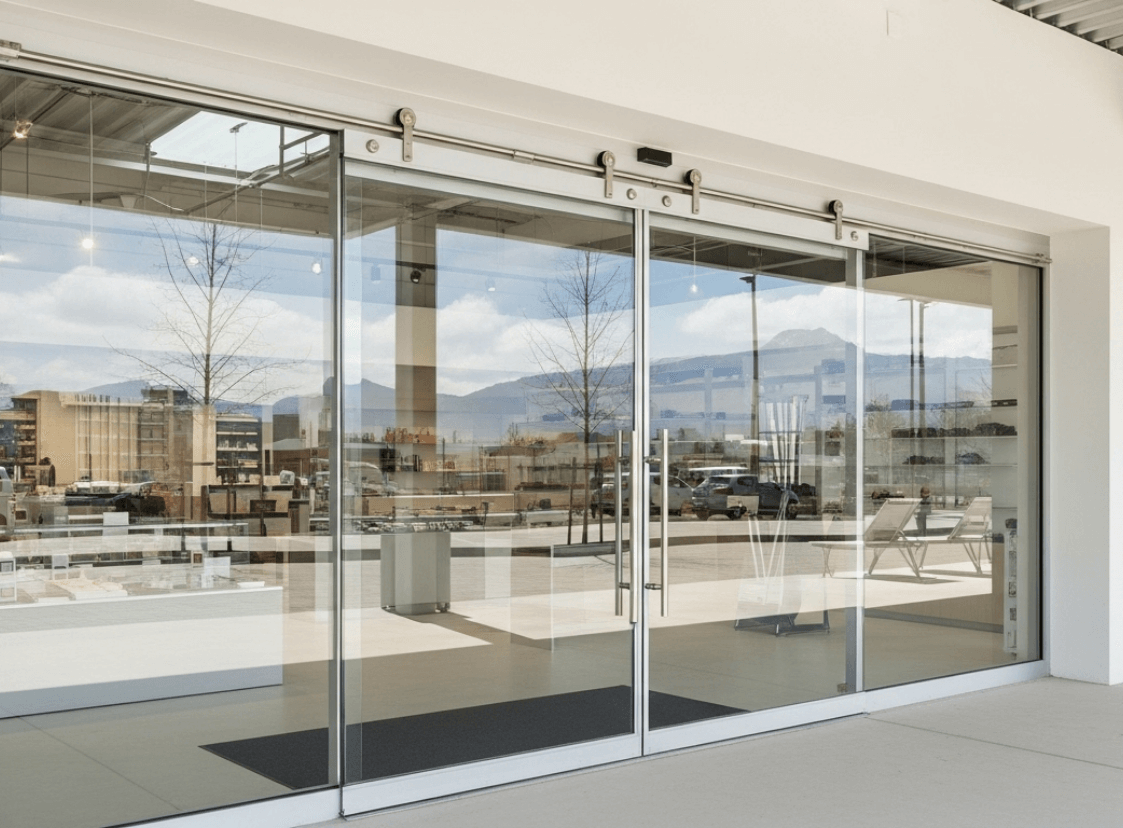
How Sliding Glass Doors Improve Office Space Utilization?
Efficient office space is important to boost employee productivity. Companies face the challenge of using…
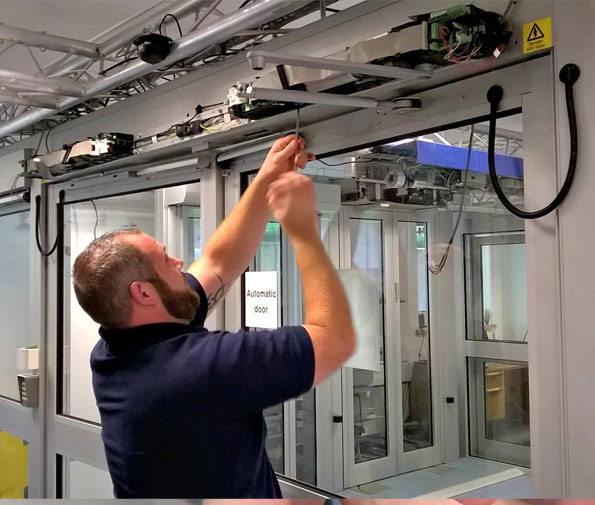
How Automatic Door Closers Improve Safety and Reduce Wear in NJ?
Automatic door closers in NJ play a powerful role in buildings across New Jersey. Offices,…

ADA-Compliant Door Upgrades for 2026
ADA-compliant door upgrades are mandatory in 2026 for most commercial and public buildings. If your…

Custom Door Styles for Luxury New Jersey Homes
Luxury homes in New Jersey are known for their elegance, comfort, and attention to detail.…