
Category: Commercial Doors
Types of Commercial Doors and How They Work
Posted On: April 22, 2026
Commercial properties depend on durable and efficient entry systems to manage daily operations. From retail stores to industrial warehouses, the type of door installed directly affects security, accessibility, and workflow efficiency. Understanding the different options available under commercial doors in New Jersey helps businesses choose systems that align with their operational needs.
Why Choosing the Right Commercial Door Matters
Commercial doors are not one-size-fits-all. Each type is designed with specific use cases in mind.
For example, a warehouse handling heavy logistics requires a different door system than a retail storefront. According to industry data, door performance can significantly impact energy efficiency, with poorly sealed doors contributing to up to 30 percent of energy loss in commercial buildings.
- Rolling Steel Doors
How They Work
Rolling steel doors operate by winding around a drum located above the opening. When activated, the door rolls up vertically and coils into a compact space.
Where They Are Used
- Warehouses
- Storage facilities
- Industrial units
Key Advantages
- Space-saving design
- High durability
- Strong security
These doors are widely used in commercial doors in New Jersey applications because they can handle heavy usage and harsh conditions without frequent breakdowns.
- Sectional Overhead Doors
How They Work
Sectional doors are made of horizontal panels connected by hinges. When opened, the panels slide along tracks and rest parallel to the ceiling.
Where They Are Used
- Distribution centers
- Service garages
- Commercial loading docks
Key Advantages
- Smooth operation
- Good insulation options
- Suitable for large openings
These doors are ideal for businesses that require frequent opening and closing throughout the day.
- Glass Storefront Doors
How They Work
Glass doors typically use aluminum frames combined with tempered or laminated glass panels. They swing open on hinges or operate through automatic systems.
Where They Are Used
- Retail stores
- Restaurants
- Office entrances
Key Advantages
- Enhances visibility
- Creates a modern appearance
- Allows natural light
Glass storefront systems are a common choice in commercial doors in New Jersey due to their aesthetic appeal and ability to attract customers.
- Automatic Sliding Doors
How They Work
These doors use motion sensors to detect movement and automatically slide open along a track. They are powered by electric motors and controlled through sensor systems.
Where They Are Used
- Hospitals
- Shopping centers
- Airports
Key Advantages
- Hands-free operation
- Improved accessibility
- Energy-efficient when properly sealed
Automatic doors are particularly important for compliance with accessibility standards, including ADA requirements.
- Fire-Rated Doors
How They Work
Fire-rated doors are constructed using materials designed to withstand high temperatures for a specific duration, typically 20 to 90 minutes. They automatically close during a fire to contain flames and smoke.
Where They Are Used
- Stairwells
- Industrial buildings
- Commercial kitchens
Key Advantages
- Enhances building safety
- Meets fire code regulations
- Slows fire spread
In New Jersey, fire-rated doors are often mandatory in commercial buildings to comply with safety regulations.
- High-Speed Doors
How They Work
High-speed doors open and close rapidly using advanced motor systems. They are designed to minimize air exchange between spaces.
Where They Are Used
- Cold storage facilities
- Manufacturing plants
- Clean rooms
Key Advantages
- Improves energy efficiency
- Reduces contamination risks
- Supports fast-paced operations
These doors are becoming more popular in commercial doors in New Jersey, where efficiency and environmental control are priorities.
- Security Grilles and Gates
How They Work
Security grilles are made of metal bars or mesh that roll up or slide to open. They allow visibility while protecting the premises.
Where They Are Used
- Retail shops in malls
- Parking garages
- Service counters
Key Advantages
- Provides security without blocking visibility
- Durable and low maintenance
- Easy to operate
These are commonly used for after-hours protection in commercial spaces.
Read More: How to Choose the Right Commercial Door for Your Needs
Key Factors to Consider When Choosing a Commercial Door
Selecting the right door involves more than just appearance.
-
Usage Frequency
High-traffic environments need doors that can withstand repeated use without failure.
-
Security Requirements
Businesses handling valuable goods require stronger and more secure door systems.
-
Energy Efficiency
Insulated doors help reduce heating and cooling costs.
-
Compliance and Safety
Doors must meet local building codes and safety standards.
-
Maintenance Needs
Some systems require more frequent servicing than others.
Considering these factors helps businesses make informed decisions when investing in commercial doors in New Jersey.
How Commercial Doors Function as Systems
Modern commercial doors are more than just panels. They operate as integrated systems that include:
- Tracks and rollers for movement
- Motors and openers for automation
- Sensors for safety and detection
- Control panels for operation
When one component fails, it can affect the entire system. This is why regular inspection and timely maintenance are critical for long-term performance.
Choosing the Right Commercial Door Partner
Why Businesses Choose Alpha Doors & Security
Selecting the right commercial door is only part of the equation. Proper installation, maintenance, and repair play an equally important role in long-term performance.
Alpha Doors & Security focuses on helping businesses navigate different door options based on their operational needs. Whether it is selecting the right system or ensuring consistent performance over time, the approach is centered on reliability and practical solutions.
For businesses evaluating commercial doors in New Jersey, making informed decisions today can lead to better efficiency, improved safety, and reduced operational risks in the future.










Alpha Doors & Security
Related Blogs
How Much Does Commercial Door Installation Cost in NJ 2026?
In commercial spaces, doors face constant use, weather exposure, and heavy foot traffic, which leads…
Best Commercial Door Installation Services in NJ (2026 Guide)
Whether you run a retail store or manage an office building, a safe and reliable…
Complete Guide to Commercial Door Repair in New Jersey
Commercial properties rely heavily on functional and secure entry systems. Whether it is a retail…
Benefits of Intercom Systems for Office Buildings in NJ
An office building without a proper entry control system is an open invitation for problems.…
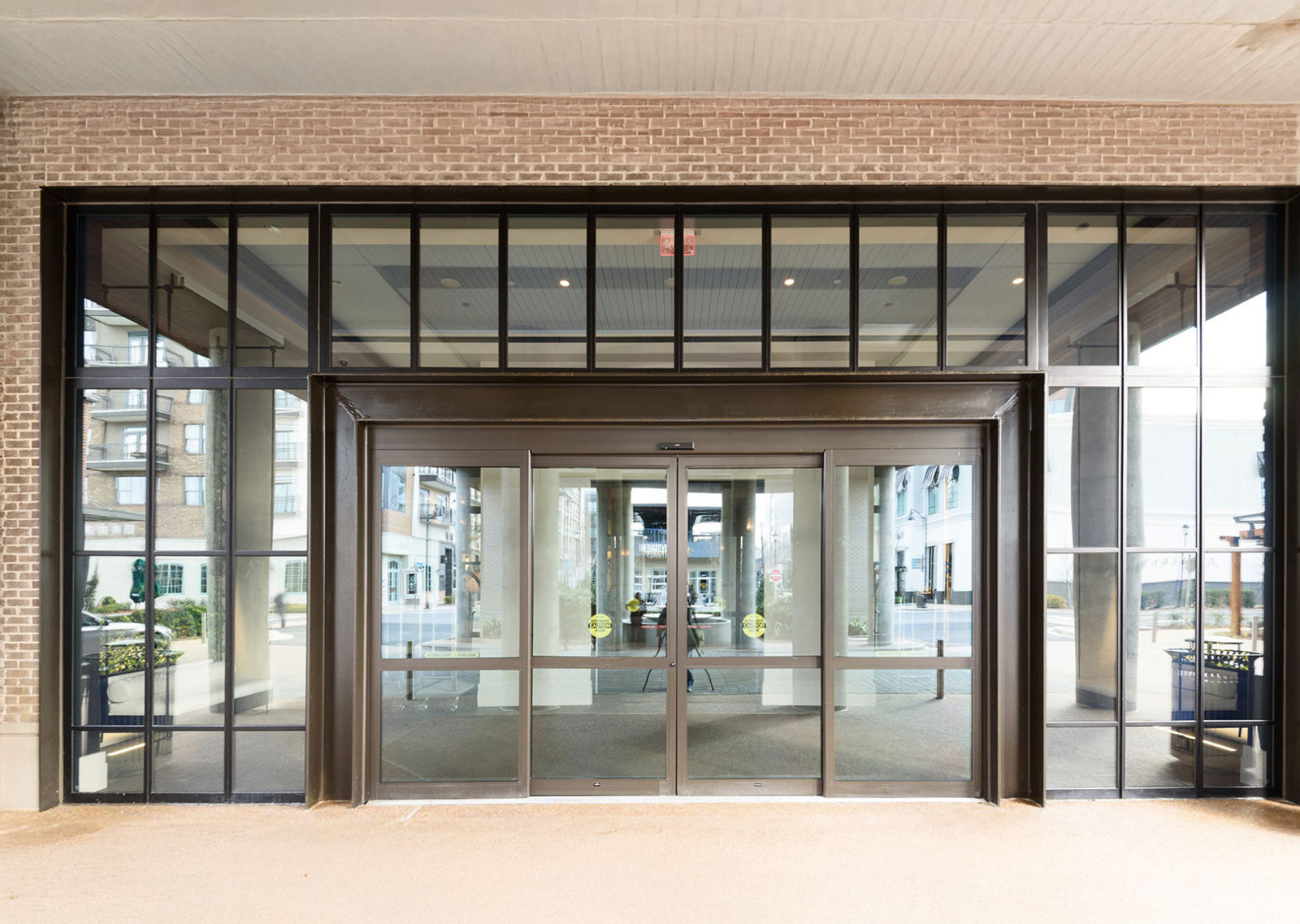
Complete Commercial Door Repair Services in New Jersey
When it comes to protecting your business and ensuring smooth operations, commercial door repair is…
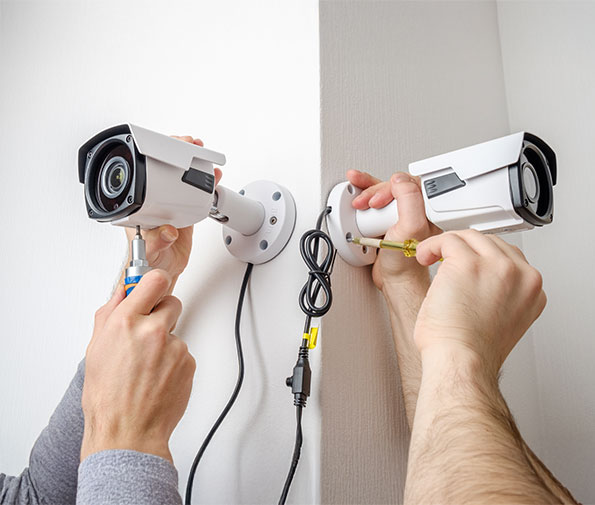
Why Businesses Need CCTV Surveillance Systems in NJ
Security threats for businesses in New Jersey are not going down. Retail shrinkage, workplace incidents,…
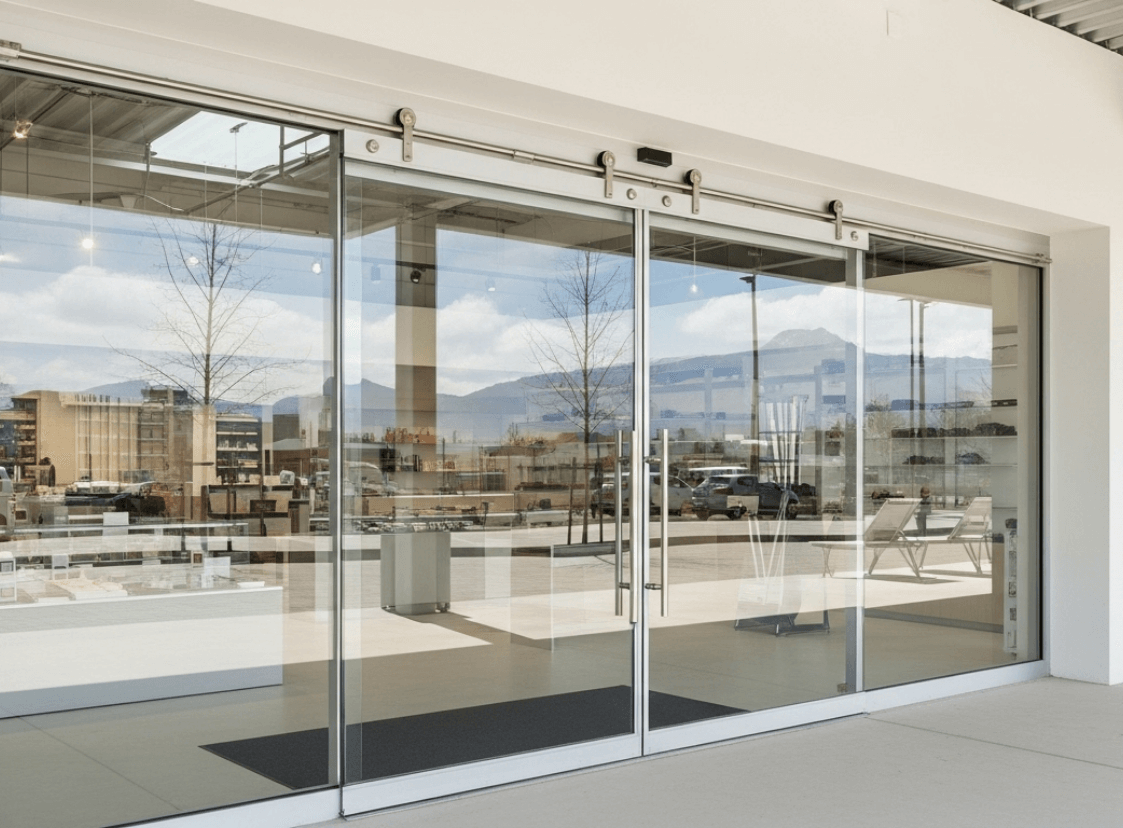
How Sliding Glass Doors Improve Office Space Utilization?
Efficient office space is important to boost employee productivity. Companies face the challenge of using…
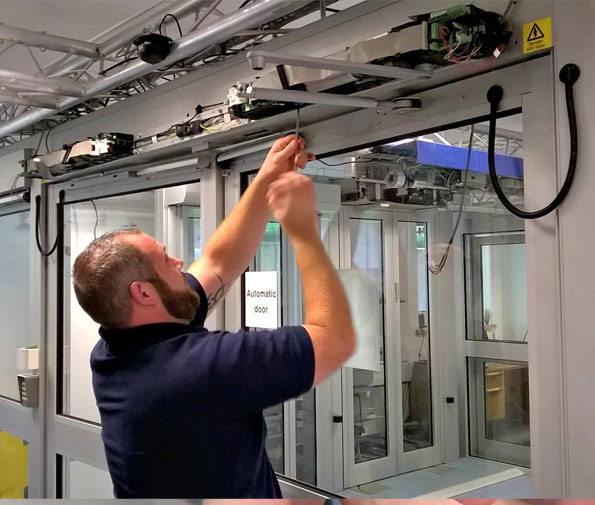
How Automatic Door Closers Improve Safety and Reduce Wear in NJ?
Automatic door closers in NJ play a powerful role in buildings across New Jersey. Offices,…

ADA-Compliant Door Upgrades for 2026
ADA-compliant door upgrades are mandatory in 2026 for most commercial and public buildings. If your…

Custom Door Styles for Luxury New Jersey Homes
Luxury homes in New Jersey are known for their elegance, comfort, and attention to detail.…