
Category: Commercial Doors
Why Exit Doors Must Open Easily in Commercial Buildings
Posted On: August 14, 2026
An exit door that sticks during a normal workday is frustrating. During a fire, power failure, smoke event, or another emergency, the same problem can slow people trying to leave the building.
That is why commercial exit door repair should not be delayed when an egress door becomes difficult to push, fails to unlatch, drags against the frame, or has hardware that no longer operates as intended. In commercial buildings, exit doors are part of the means of egress, so their ability to open from the inside is a safety issue, not only a convenience issue.
Why Must Commercial Exit Doors Open Easily?
People using an exit during an emergency may have little time to stop and work out how a lock or damaged door operates.
Federal workplace rules address this directly. OSHA requires employees to be able to open an exit-route door from the inside at all times without keys, tools, or special knowledge. OSHA also states that exit doors must be free from devices or alarms that could restrict emergency use if they fail. OSHA’s exit-route requirements apply to workplace egress and permit devices such as panic bars that secure a door from the outside while allowing exit from inside.
The requirement makes practical sense.
If a door needs a key from the inside, occupants may not have it. If a latch requires an unfamiliar sequence, visitors may not understand it. If a damaged closer makes the door difficult to push, some occupants may struggle to open it.
A required exit needs to work for the people who may have to use it.
New Jersey Commercial Exit Doors Are Part of the Means of Egress
New Jersey currently uses the 2021 International Building Code, New Jersey Edition as its building subcode under the Uniform Construction Code. The state lists that edition as the current building subcode, adopted September 6, 2022. New Jersey’s current construction-code page also identifies the accessibility standards referenced by the state.
Chapter 10 of the New Jersey Building Code covers means of egress, including doorways and the way occupants leave a building.
Not every existing commercial property follows an identical set of requirements. Existing-building work, occupancy changes, renovations, fire-rated openings, and other conditions can affect which provisions apply.
The important maintenance point is simpler. If a door already forms part of the approved exit route, allowing it to become hard to operate creates a problem that should be investigated.
A Sticking Exit Door Can Delay Evacuation
A door may start dragging gradually.
At first, an employee gives it an extra push. A few weeks later, everyone in the building knows they need to lift the handle while pushing.
That workaround can become normal until someone unfamiliar with the door needs to use it.
Common causes include:
- Door or frame misalignment
- Loose or worn hinges
- A sagging door leaf
- Damaged weatherstripping
- Floor contact
- A shifted strike plate
- Corrosion or damaged hardware
- Building movement
- A closer that creates excessive resistance
None of these problems becomes safer because regular employees have learned the trick for opening the door.
An exit should not depend on occupants knowing that they must pull up, push twice, or hit a certain part of the hardware.
Exit Door Locks Must Not Trap People Inside
Commercial buildings need security, but security from outside should not block required egress from inside.
OSHA’s rule is clear that employees must be able to open an exit-route door from inside without a key, tool, or special knowledge.
This matters when businesses add deadbolts, chains, surface bolts, access-control hardware, or other locking devices after the original door was installed.
A lock may make sense for closing the business at night, but adding hardware to an exit without checking its egress function can create a conflict.
Electronic locking systems also require planning. A power-controlled lock needs to work according to the requirements that apply to that door and building.
If a business wants better security, the answer is not to make emergency exit harder. The locking system and egress hardware need to work together.
Panic Bars Give Occupants a Direct Exit Action
A panic bar lets someone release the door by pushing against a horizontal device.
The user does not need to locate a small knob or turn a key.
This makes panic bars and fire exit devices useful on commercial exit doors where the applicable code requires panic hardware or where the approved door assembly uses it.
Panic hardware still needs maintenance.
A bar can become loose. Internal components can wear. The latch may stop retracting completely. The strike can move out of alignment. A business may also add a secondary lock that interferes with the device.
If pressing the bar does not release the door in one normal action, the hardware needs attention.
A Door Closer Should Not Make an Exit Door Hard to Push
A door closer controls how the door returns to its closed position.
On some doors, closing is important for security, climate control, and fire protection. The problem begins when the closer is adjusted or selected in a way that makes the door difficult to open.
New Jersey has published guidance for accessible door closers explaining that, for applicable non-fire interior hinged doors, opening force is limited to 5 pounds under the referenced accessibility criteria. Fire doors are treated differently because their minimum closing and opening requirements have to work with the rated assembly. The same guidance addresses controlled closing speed for door closers.
A door that suddenly becomes much harder to push may have a closer problem, but the closer is not always the cause.
Hinges, frame alignment, weather conditions, seals, and the door itself can add resistance.
That is why automatic door closer repair should include checking how the complete opening operates rather than adjusting one screw without finding the source.
Fire-Rated Exit Doors Must Open and Close Correctly
A fire-rated door has two jobs that can appear to work against each other.
People need to be able to open it for egress, but the door also needs to return to its closed and latched position when the assembly requires self-closing operation.
Forcing a fire door to remain open can interfere with its function. Making the closer so strong that occupants struggle to push the door creates another problem.
The door, closer, latch, hinges, frame, and exit hardware therefore need to work as one assembly.
A fire-rated exit door should be inspected if it does not close fully, fails to latch, drags on the floor, has damaged hardware, or requires unusual effort to open.
Exit Doors Can Fail Even When the Hardware Looks Fine
Commercial door problems are not always visible.
A storefront exit can look normal but rub against the frame. A steel door can have a closer that has slowly changed speed. A panic device can work during a quick test but fail to retract the latch completely under pressure.
Daily use can also hide problems because employees adapt.
Someone props the door open because it closes too hard. Staff learns to push at the top of the bar. A box is placed near the door because the latch no longer holds.
These workarounds are a reason to repair the door, not a solution.
Commercial Exit Door Problems Should Be Checked Before They Become Emergencies
A business should pay attention when an exit door:
- Requires more force than before
- Sticks against the frame or floor
- Does not release with normal hardware operation
- Has a loose panic bar or handle
- Fails to close completely
- Fails to latch after closing
- Slams shut
- Has a damaged hinge or frame
- Needs a key, tool, or unfamiliar action from the egress side
- Has been modified with new locking hardware
- Is being held open because employees find it difficult to use
Some conditions may need a minor adjustment. Others can require new hardware or door repair.
The important step is addressing the cause before the door is needed as an exit.
Exit Door Maintenance Protects Daily Business Operations Too
Exit-door problems do not only matter during a fire.
A door that drags or sticks can slow employees, deliveries, and customers. A door that fails to latch can affect building security. A closer that slams can damage hinges, frames, glass, and hardware.
Waiting can turn one adjustment into several repairs.
Regular checks should include opening the door from the egress side, confirming that the latch releases, watching how the door swings, and checking whether it returns to the required closed position.
OSHA also requires safeguards associated with exit routes to remain in working order.
Repair a Commercial Exit Door Before It Becomes the Door Nobody Can Open
An exit door may be used hundreds of times without a problem, but its most important use can happen on the one day everyone needs to leave at once. A sticking leaf, failing panic bar, misaligned strike, damaged hinge, or poorly adjusted closer should not become part of the building’s normal routine.
Alpha Doors New Jersey provides commercial exit door repair and broader commercial door repair throughout New Jersey, including work on panic bars and fire exit devices, door closers, storefront doors, fire-rated doors, metal doors, and other commercial openings. The company’s current service information also lists maintenance and emergency repair for commercial properties across New Jersey. If an exit door has become hard to open, no longer latches, or needs hardware repair, contact Alpha Doors New Jersey so we can check the door before a daily inconvenience becomes an egress problem.










Alpha Doors & Security
Related Blogs
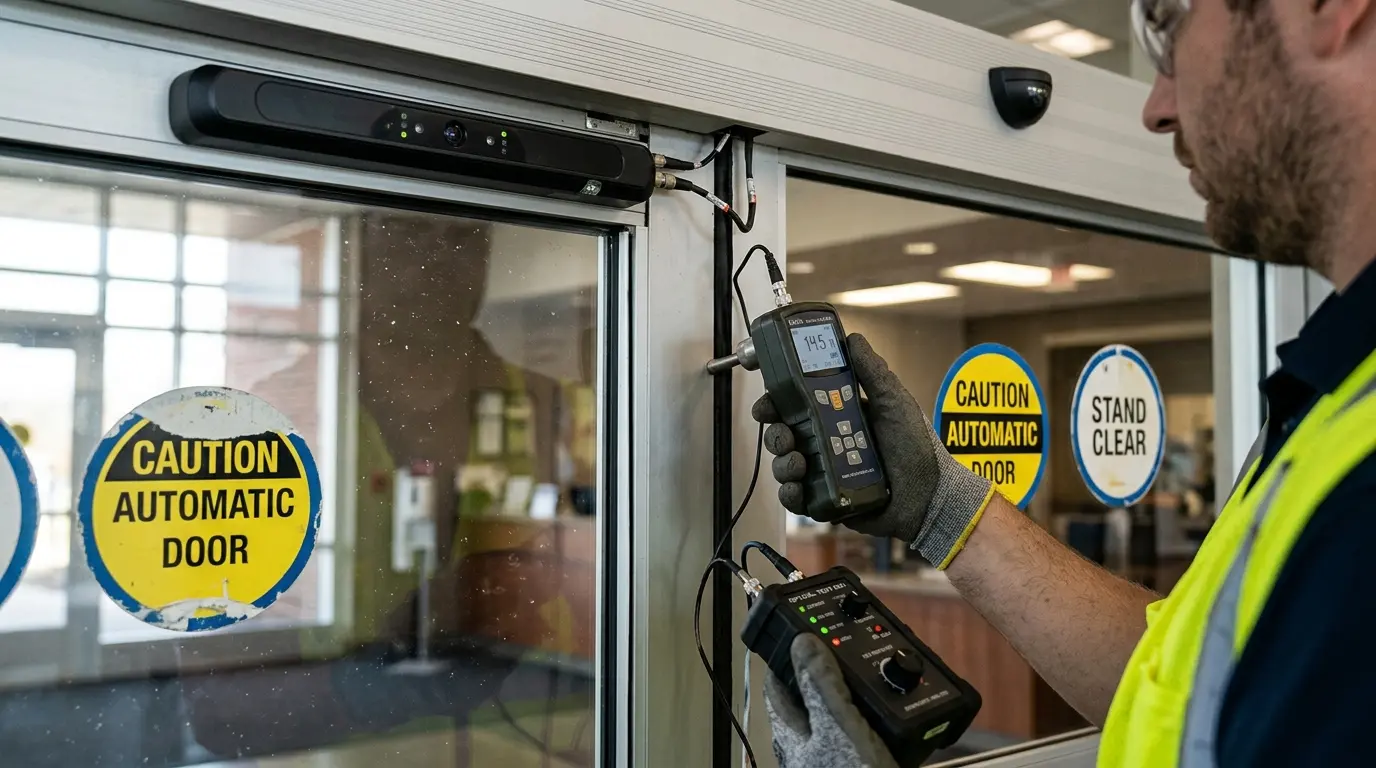
What Is an AAADM Automatic Door Inspection?
Your automatic doors open and close hundreds of times each day, often without anyone giving…
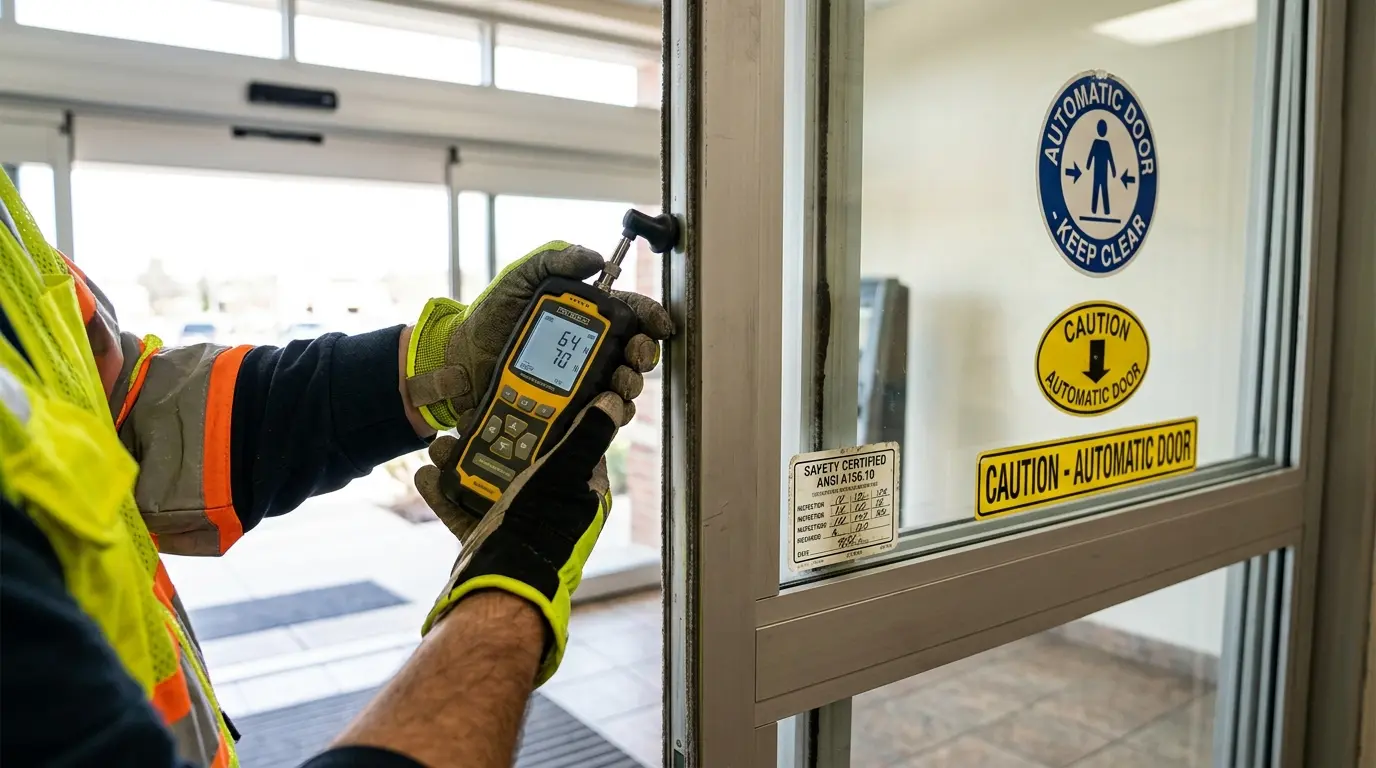
What Is an AAADM Certified Inspector and Why Does It Matter for Automatic Doors?
Every day, countless people trust your automatic doors to open smoothly and never close on…
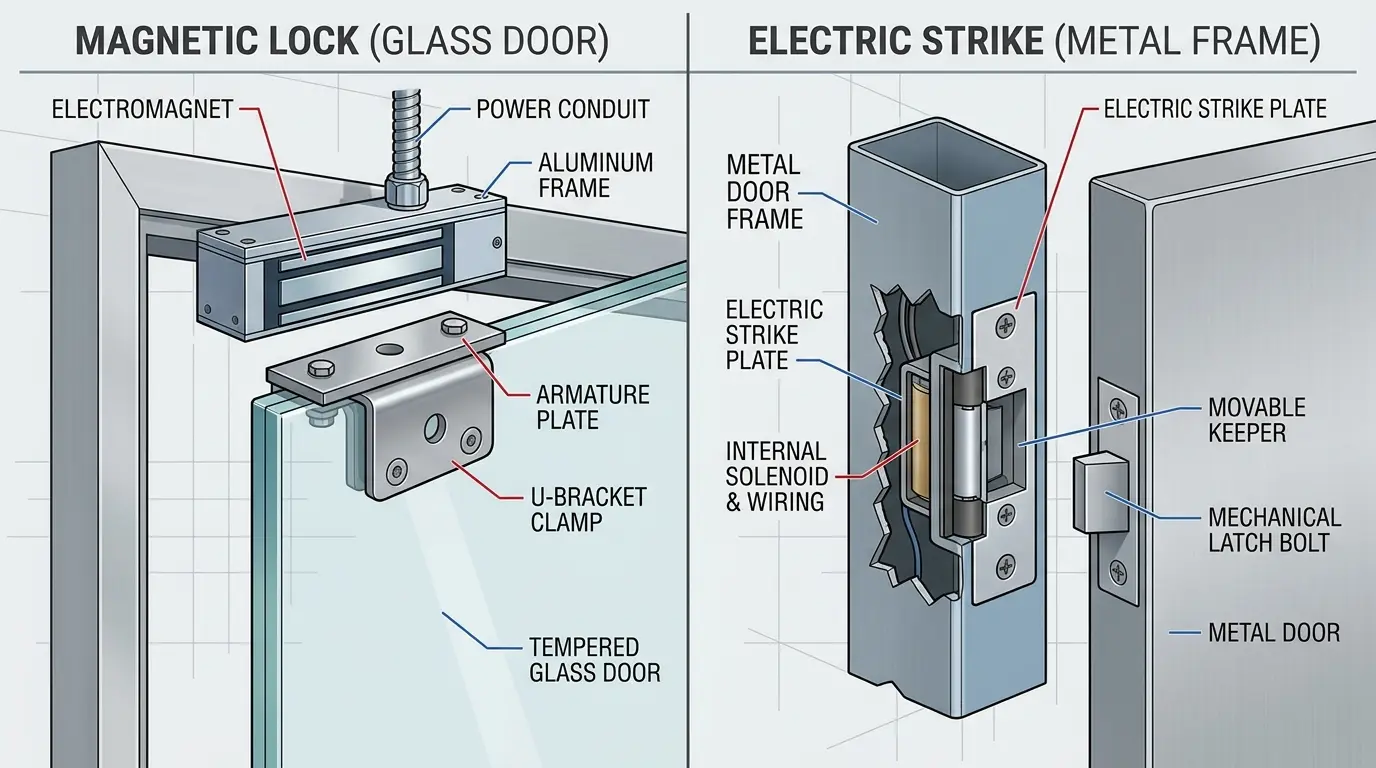
Magnetic Locks vs Electric Strikes for Commercial Doors
Your commercial door needs controlled access, but which locking system actually makes sense for your…
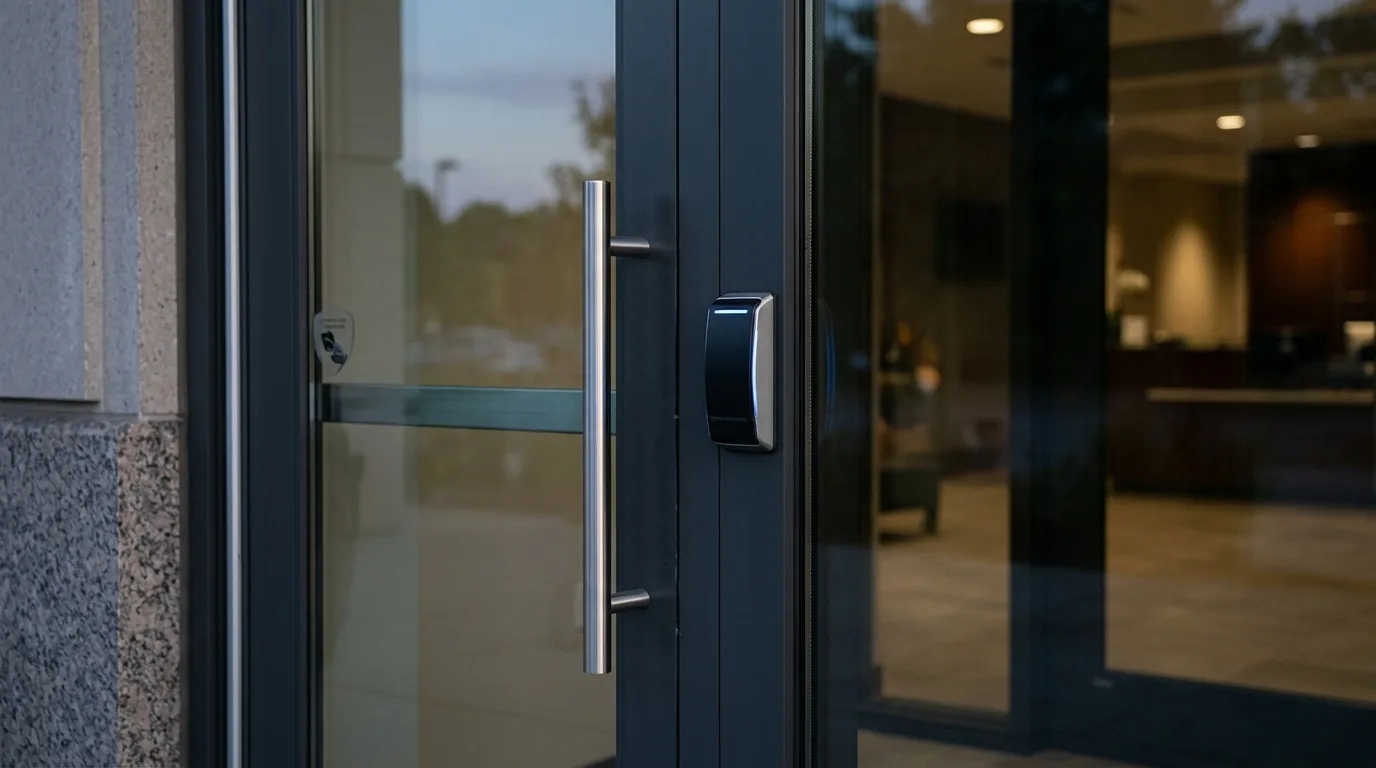
How Electrified Door Hardware Improves Building Access Control
A key can lock a commercial door, but it cannot dictate who should enter, when…
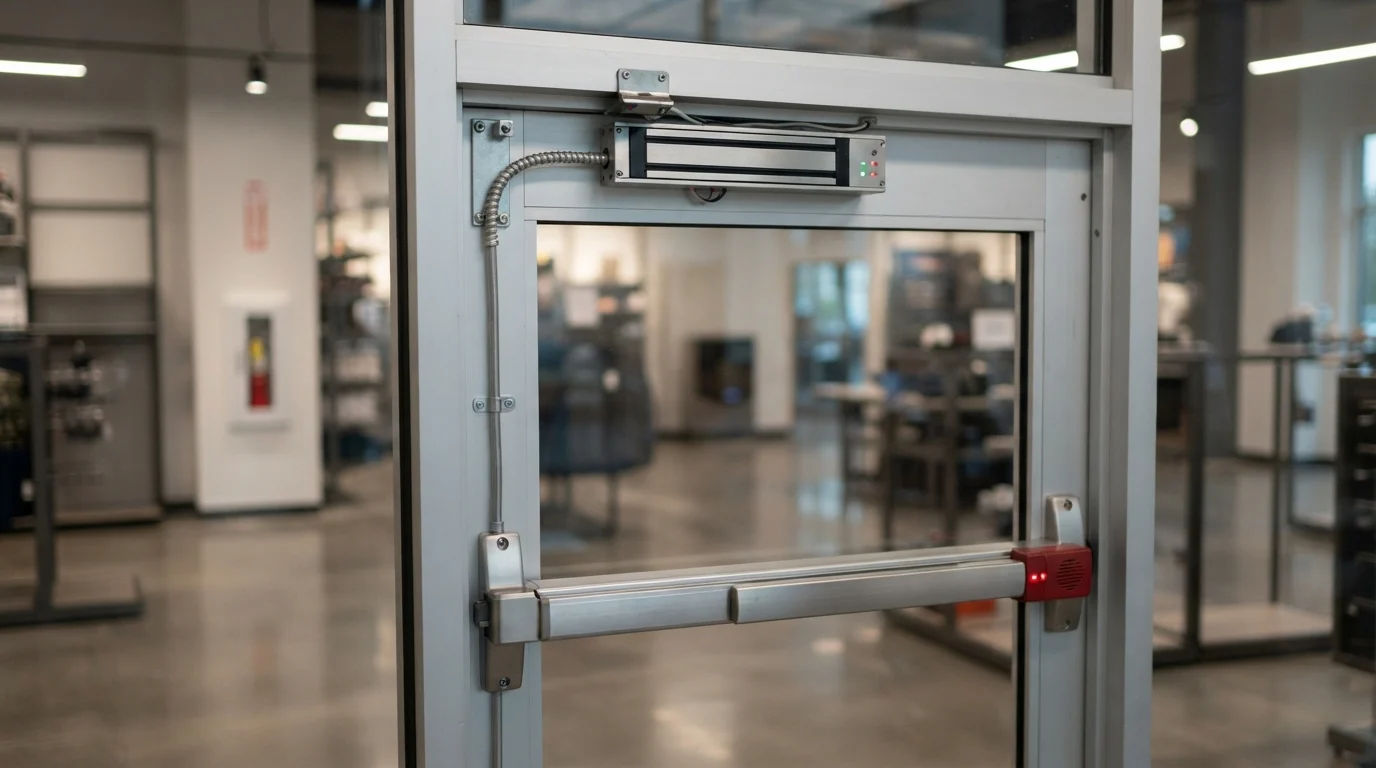
Delayed Egress Doors: What NJ Businesses Should Know
A business may want an exit door to stay secured against theft or unauthorized movement…
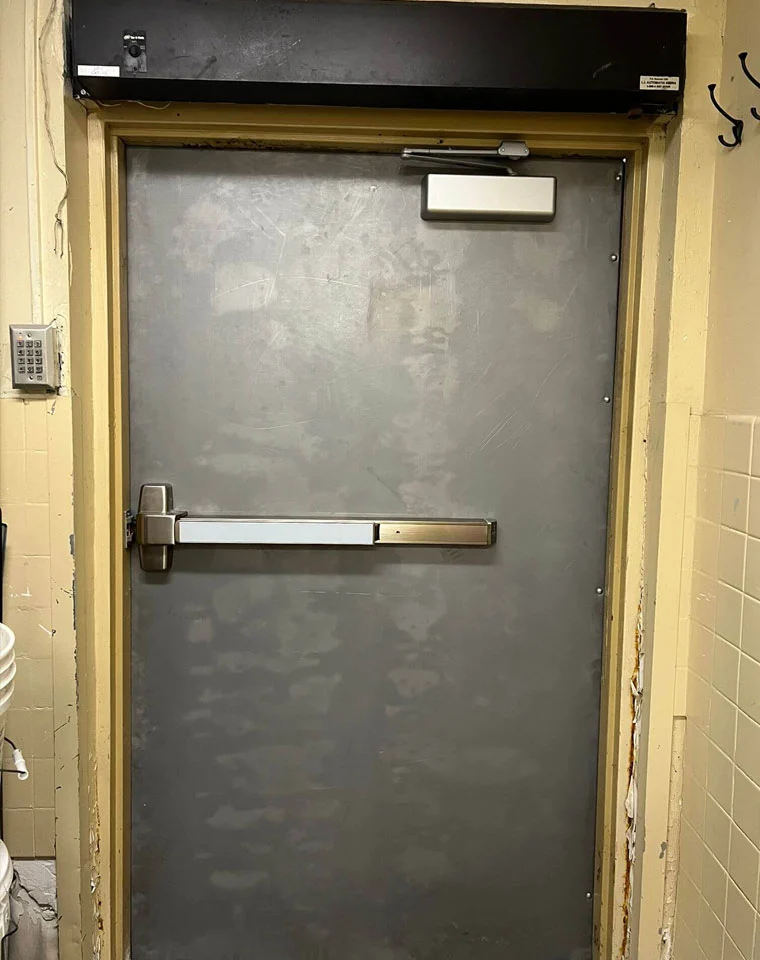
Panic Bar Repair vs Replacement: What Business Owners Should Know
A staff member leans into your rear exit with a full tray, the bar clicks but the…
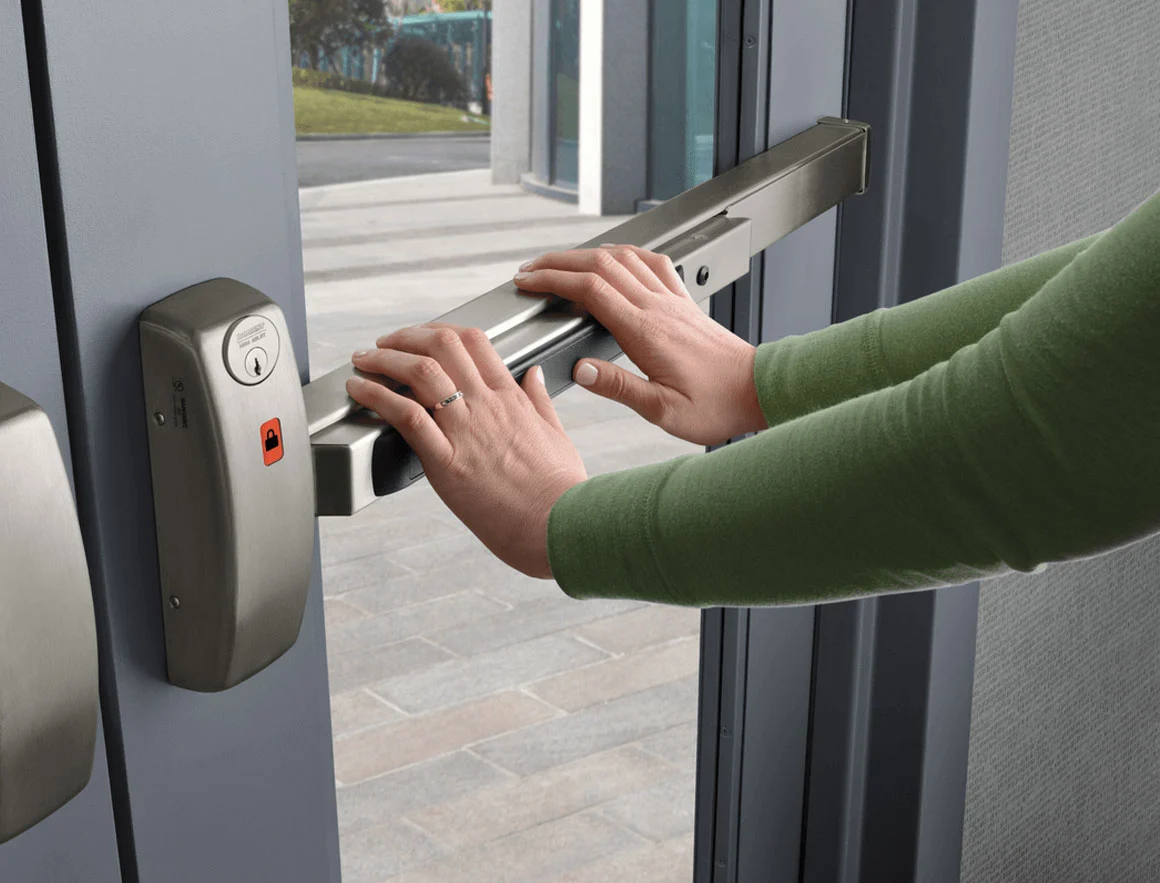
What Are Panic Bars and When Does Your Business Need Them?
You have seen them on almost every store, school, and office exit, a long horizontal bar across…
Why Commercial Doors Get Stuck and How to Fix Them
A commercial door can work perfectly for months and then suddenly become difficult to open…
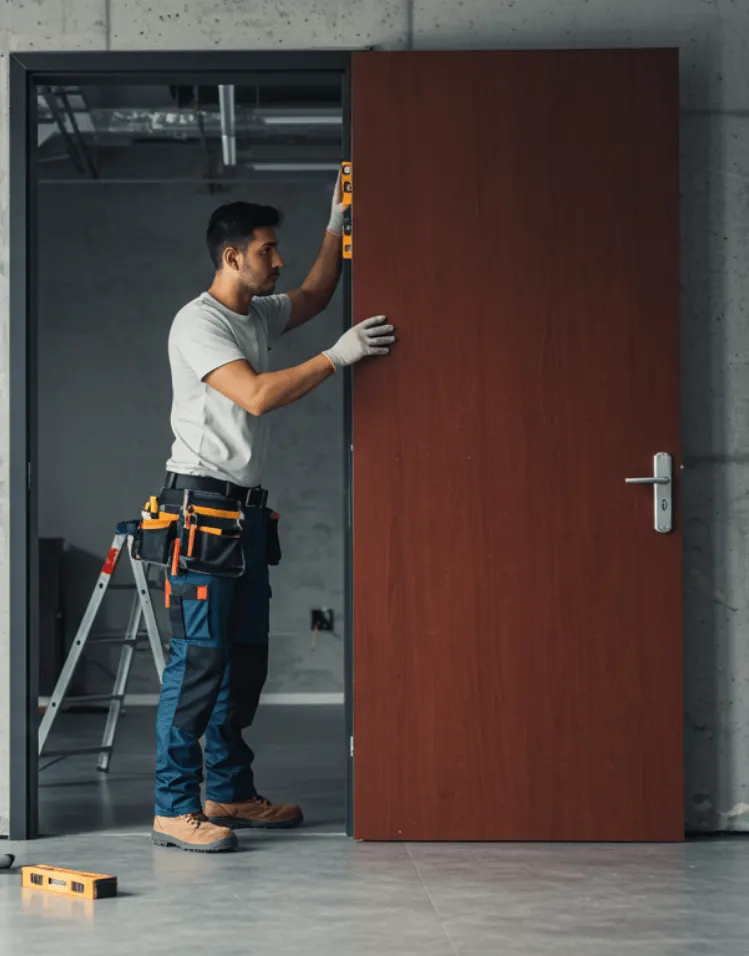
Commercial Door Repair vs. Replacement: Which Option Is Best?
A commercial door stops working. What comes next? Many business owners struggle to decide between…
How Much Does Commercial Door Installation Cost in NJ 2026?
In commercial spaces, doors face constant use, weather exposure, and heavy foot traffic, which leads…