
Category: Door Repair
How Electrified Door Hardware Improves Building Access Control
Posted On: September 8, 2026
A key can lock a commercial door, but it cannot dictate who should enter, when they should enter, or whether they still need access. That becomes a serious gap when employees change roles, keys go missing, contractors need temporary entry, or certain areas of the building must stay restricted.
Electrified door hardware in NJ closes that gap by connecting the door to an access control system. Authorized users can enter with a card, fob, mobile credential, keypad code, or another approved method, while access can be managed according to the person, door, and schedule. For commercial properties across New Jersey, this means greater control over who enters, where they can go, and when they can enter.
How Electrified Door Hardware Strengthens Access Control
A commercial building can have strong locks and still have weak access control. Shared keys, former employees, unrestricted after-hours entry, and unsecured interior rooms can all create gaps. Electrified door hardware closes many of those gaps by connecting the physical door to an electronic access control system.
Control Who Can Enter Each Area
A key gives access to anyone carrying it. Electrified hardware allows access to be assigned to specific people and specific doors.
An office manager might have access to
- The main entrance
- Employee work areas
- Supply rooms
An IT manager could also have access to
- Server rooms
- Network closets
- Equipment areas
The same principle works for contractors and temporary workers. A contractor handling an after-hours repair does not necessarily need unrestricted access to the building. Their credential can be limited to the doors and times required for the job.
Change Access Without Rekeying the Building
Employee turnover is one of the simplest reasons to move away from a key-only system. Former employee may return a key, but there is no guarantee that another copy was not made. Rekeying becomes the safer option, but doing so across several doors adds cost and disruption.
Electronic credentials change the process. Administrator can remove a user’s permissions when their employment ends or their responsibilities change. New access can be added just as easily when someone joins the company or moves into a different role.
Keep Entry Limited After Hours
Commercial property does not stop needing security when the workday ends. Cleaning crews, maintenance workers, security personnel, and employees may still need access at different times. Giving everyone a key that works at all hours provides more access than many people actually need.
Scheduled Access for Different Users
An access control system can apply different schedules to different credentials. For example, employees may have weekday access, while a cleaning company receives access only during its scheduled service hours. Management can also restrict certain interior doors outside normal operating times. That makes after-hours access a planned part of building security rather than an open-ended permission.
Keep Restricted Rooms Separate
The main entrance is rarely the only door that needs protection. Areas that may require separate access include
- Server and IT rooms
- Records and file rooms
- Cash-handling areas
- Private offices
- Equipment rooms
- Supply and inventory areas
- Employee-only entrances
Someone may have legitimate business inside the building without needing access to every one of these spaces. Electrified hardware allows those interior doors to follow their own access rules.
Know When Credentials Are Being Used
Traditional keys leave very little information behind. If a restricted room is entered, the key itself cannot normally tell a property manager who used it or when. Many electronic access control systems can record credential activity. Depending on the system, authorized personnel may be able to review the credential used, the controlled opening, and the time of the access event. These records can be useful when reviewing unusual activity, checking access to sensitive areas, or investigating a security concern.
Reduce the Risk of Lost Keys
A lost key can become a building-wide problem when the same key opens several doors. Electronic credentials offer a more targeted response. Once a card or fob is reported missing, its permissions can be disabled without necessarily replacing the physical lock. A replacement credential can then be issued to the employee. The distinction matters in larger facilities where dozens or hundreds of people may need access. Losing one credential does not automatically mean changing the locks used by everyone else.
Bring Multiple Doors Under One System
Managing five controlled doors is different from managing fifty. Separate keys, locks, and access lists become increasingly difficult to track as a property grows. A connected access control system can bring multiple electrified openings under centralized management. That allows building managers to organize permissions across entrances, offices, restricted rooms, and other controlled areas without treating every door as a separate security project.
One Building, Different Access Levels
A property manager might have access throughout the facility, while a tenant only enters their leased area. Employees may use the main entrance and workplace, while maintenance staff receive access to service areas.
Those differences can be built into the access system rather than handled through different sets of physical keys.
Keep Security and Safe Exit Working Together
A door should not become difficult to exit simply because entry is controlled. Commercial access control has to work alongside fire and life-safety requirements. Electrified exit devices can provide controlled entry while allowing occupants to exit through the door as required. The correct setup depends on the door, hardware, access control system, fire alarm connections, power configuration, and applicable requirements.
Magnetic locks, electric strikes, and electrified exit devices do not all behave the same way during a power failure or emergency. Hardware selection therefore needs to consider the complete opening rather than just the locking mechanism.
Connect the Door to the Building’s Larger Security Plan
Electrified hardware becomes most useful when the door is part of a complete access control system. The credential reader, control panel, locking hardware, schedules, and user permissions can work together instead of operating independently. That setup gives building owners more flexibility as their needs change. New employee can be added, a former employee can be removed, a contractor can receive temporary access, and a restricted room can have tighter permissions without rebuilding the entire door system.
For New Jersey commercial properties, the goal is not simply to replace keys with electronics. The goal is to create a door system that gives the right people access to the right areas while keeping the rest of the building secure.
What Types of Electrified Door Hardware in NJ Are Used?
Different doors call for different hardware. Choosing the wrong product can create security, safety, or reliability problems, so the hardware should match the door and the access control system.
Electric Strikes
Electric strike replaces or works with the existing mechanical strike in a door frame. The door remains locked until the access control system sends a signal to release the latch. This setup is common at office entrances, interior security doors, and other locations where controlled access is needed without replacing the entire lockset.
Electrified Locks
Electrified locksets combine the locking function with electrical control. Depending on the product, the lock can be controlled by a credential reader, access panel, or other authorized system. These locks work well when the building needs controlled entry while keeping the appearance and operation of a standard commercial lock.
Magnetic Locks
Magnetic locks, often called maglocks, use an electromagnetic force to hold the door closed. Access control temporarily cuts power to release the door when an authorized credential is accepted. Simple design of magnetic locks makes them useful for certain commercial applications, especially where the door and frame can support the installation requirements. Life-safety requirements must be considered carefully when using magnetic locks.
Electrified Exit Devices
Exit devices allow people to leave through a commercial door while providing controlled entry from the secure side. Electrified versions can connect the exit device to an access control system. These products are useful for offices, schools, healthcare facilities, retail buildings, and other properties where controlled entry and safe exit route must work together.
Electrified Door Closers
An electrified closer combines door-closing hardware with electrical control. Some systems can coordinate locking, access control, and door operation as part of a larger opening system. Proper adjustment matters. A door that closes too slowly may remain unsecured, while excessive closing force can make the opening difficult to use.
Where Is Electrified Door Hardware Used in NJ?
Commercial buildings use electrified hardware wherever controlling entry matters. The hardware can protect a main entrance, restrict an interior room, or manage access between different parts of a facility.
| Building Type | Common Applications |
| Office buildings | Main entrances, employee areas, server rooms, conference spaces |
| Retail stores | Employee entrances, stockrooms, offices |
| Apartment buildings | Lobby entrances, amenity areas, management offices |
| Healthcare facilities | Staff areas, restricted rooms, administrative spaces |
| Schools | Exterior entrances, offices, restricted areas |
| Warehouses | Employee entrances, offices, storage areas |
| Hotels | Staff entrances, back-of-house areas, restricted rooms |
| Industrial facilities | Employee entrances, equipment areas, secure rooms |
Each building has different traffic patterns and security requirements. Hardware selection should account for how the opening is used rather than simply choosing the most secure-looking option.
Electrified Hardware vs. Mechanical Locks
Mechanical locks remain useful for many doors, but they provide a different level of control. A key controls the lock, while electrified hardware can connect the opening to a larger access system.
| Factor | Mechanical Lock | Electrified Hardware |
| Access method | Physical key | Card, fob, mobile credential, keypad, or other approved method |
| Access changes | Often requires rekeying or key replacement | Permissions can usually be changed electronically |
| Access schedules | Limited | Can support programmed schedules |
| Activity records | Usually unavailable | Many systems can record access events |
| Multi-door management | More difficult | Can connect multiple openings to one system |
| Remote management | Not normally available | Supported by some access control systems |
Mechanical hardware may be enough for a low-security interior door. Electrified hardware becomes more useful when a property needs controlled credentials, scheduled access, or centralized management.
Final Thoughts: Better Access Starts With the Right Door Hardware
Electrified door hardware gives commercial buildings more control than traditional key-based locks can provide on their own. Property managers can control who enters specific areas, change permissions when needs change, limit after-hours access, and connect multiple doors to a broader access control system. The right hardware also helps balance controlled entry with the safe exit requirements of the building.
Getting those benefits starts with choosing hardware that fits the door, access control system, and way the building is used. Alpha Doors & Security NJ provides commercial door and access control solutions for businesses and properties throughout New Jersey. It help property owners and managers choose the right electrified hardware for their specific needs. Whether you are upgrading a single entrance or managing multiple controlled openings, the team can help you find a solution that supports both security and everyday building operations.
Need better control over who can enter your building? Contact Alpha Doors & Security NJ to discuss your commercial door hardware and access control needs.










Alpha Doors & Security
Related Blogs
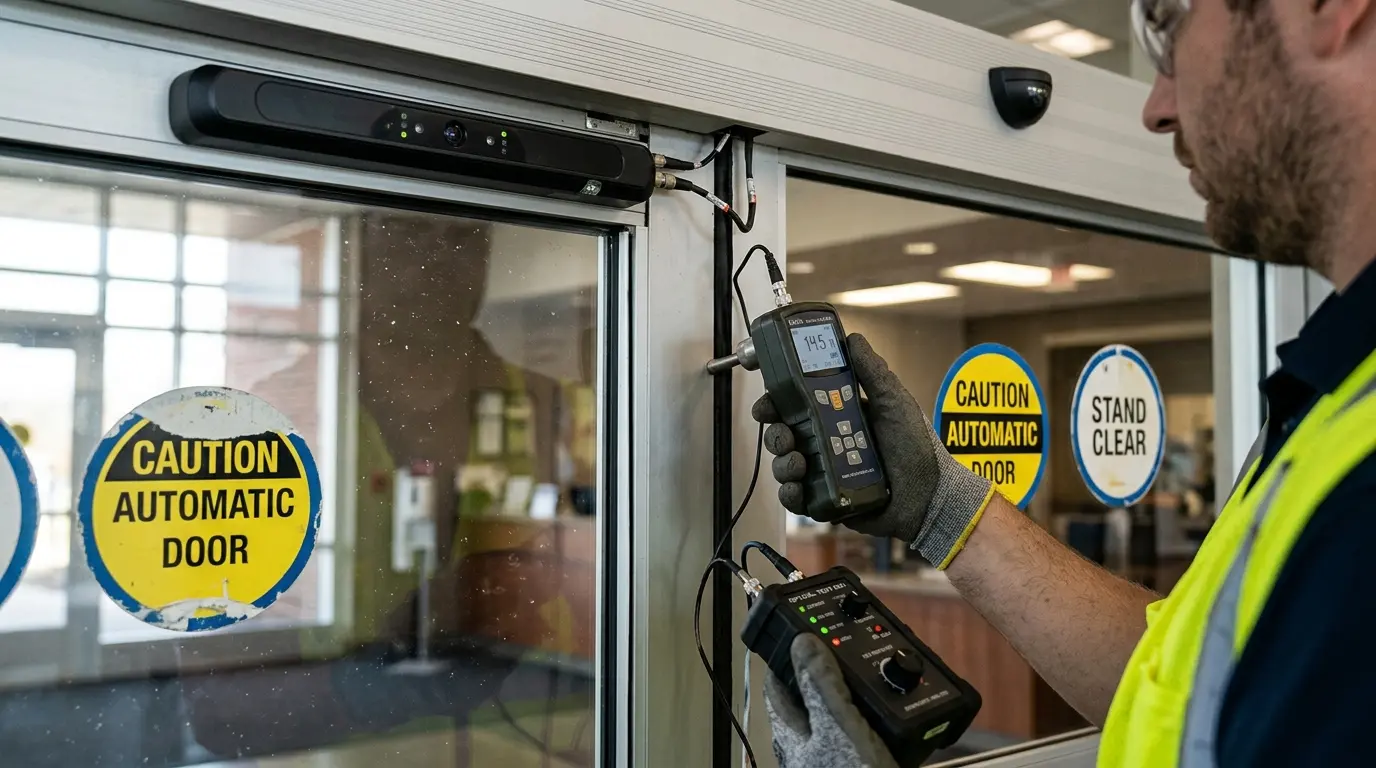
What Is an AAADM Automatic Door Inspection?
Your automatic doors open and close hundreds of times each day, often without anyone giving…
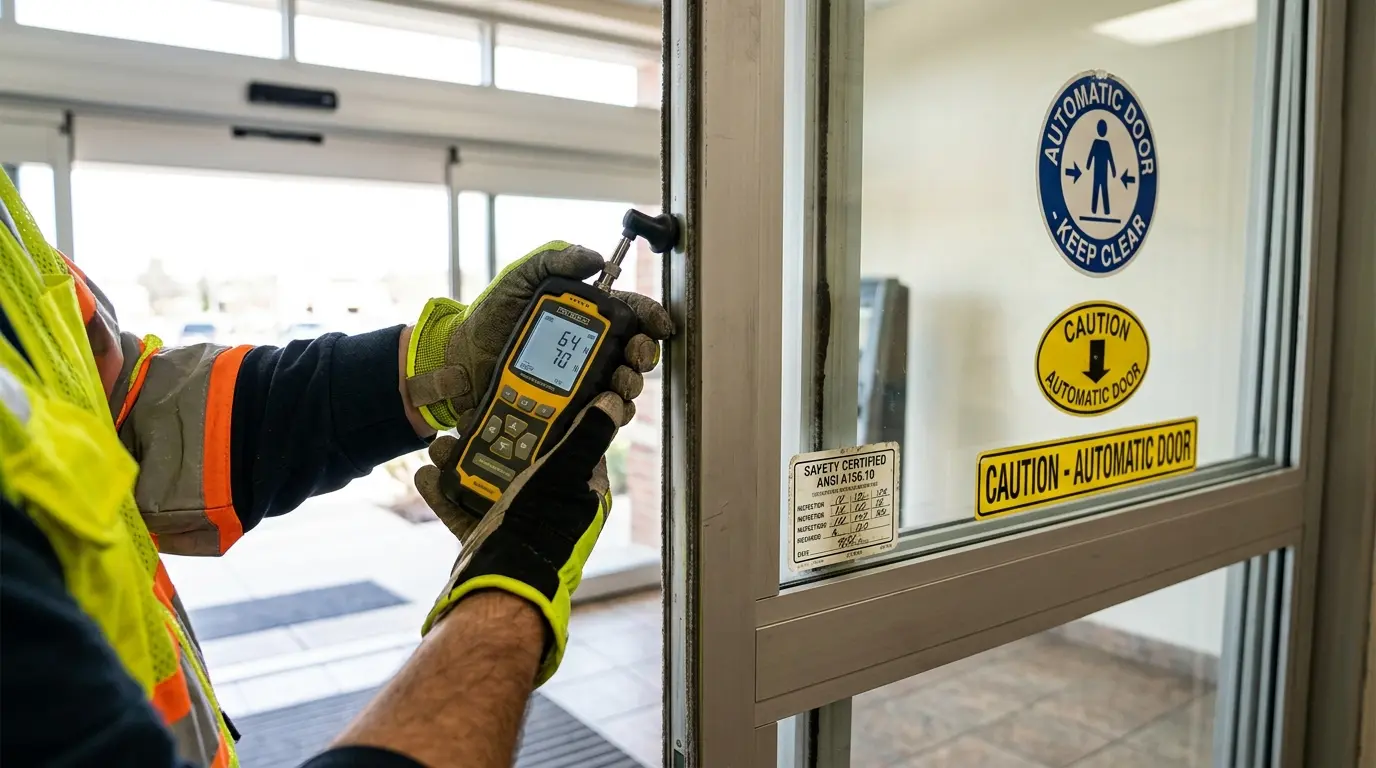
What Is an AAADM Certified Inspector and Why Does It Matter for Automatic Doors?
Every day, countless people trust your automatic doors to open smoothly and never close on…
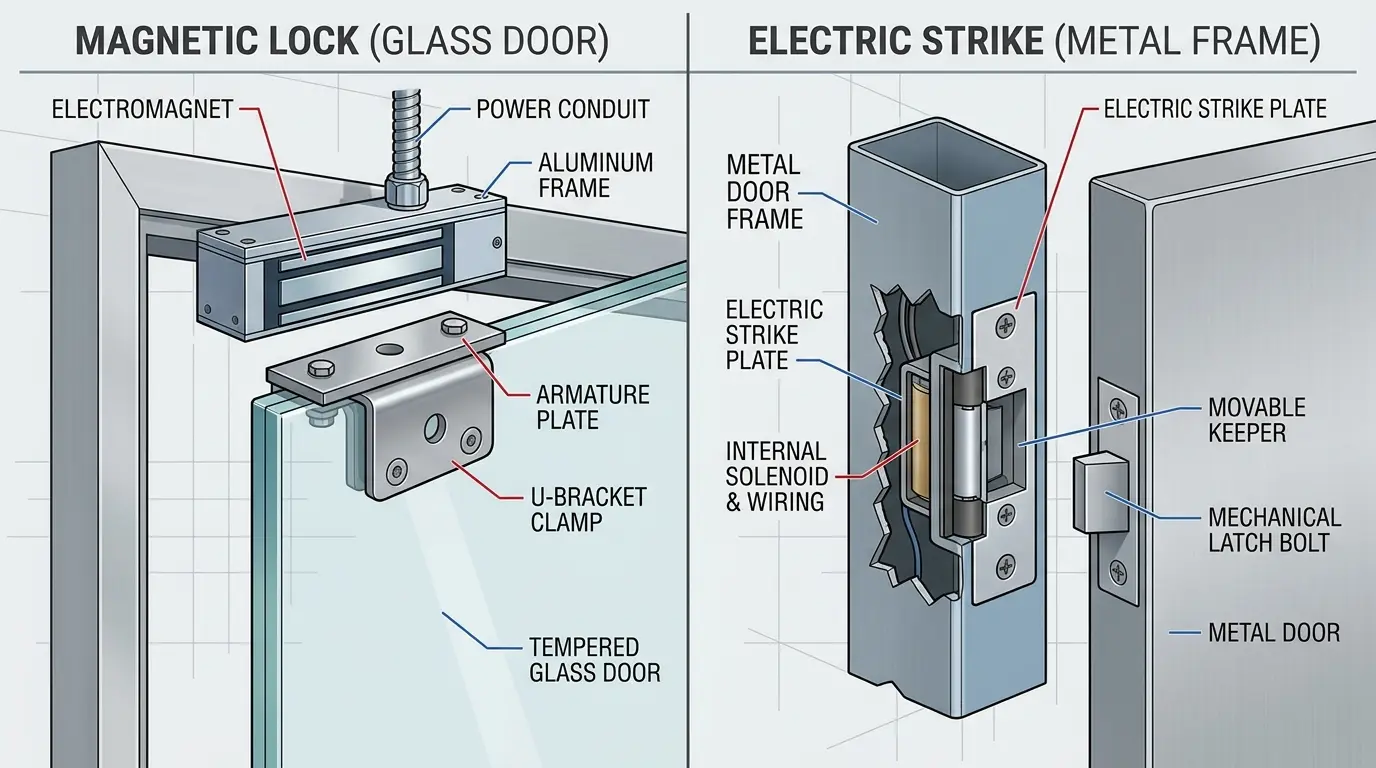
Magnetic Locks vs Electric Strikes for Commercial Doors
Your commercial door needs controlled access, but which locking system actually makes sense for your…
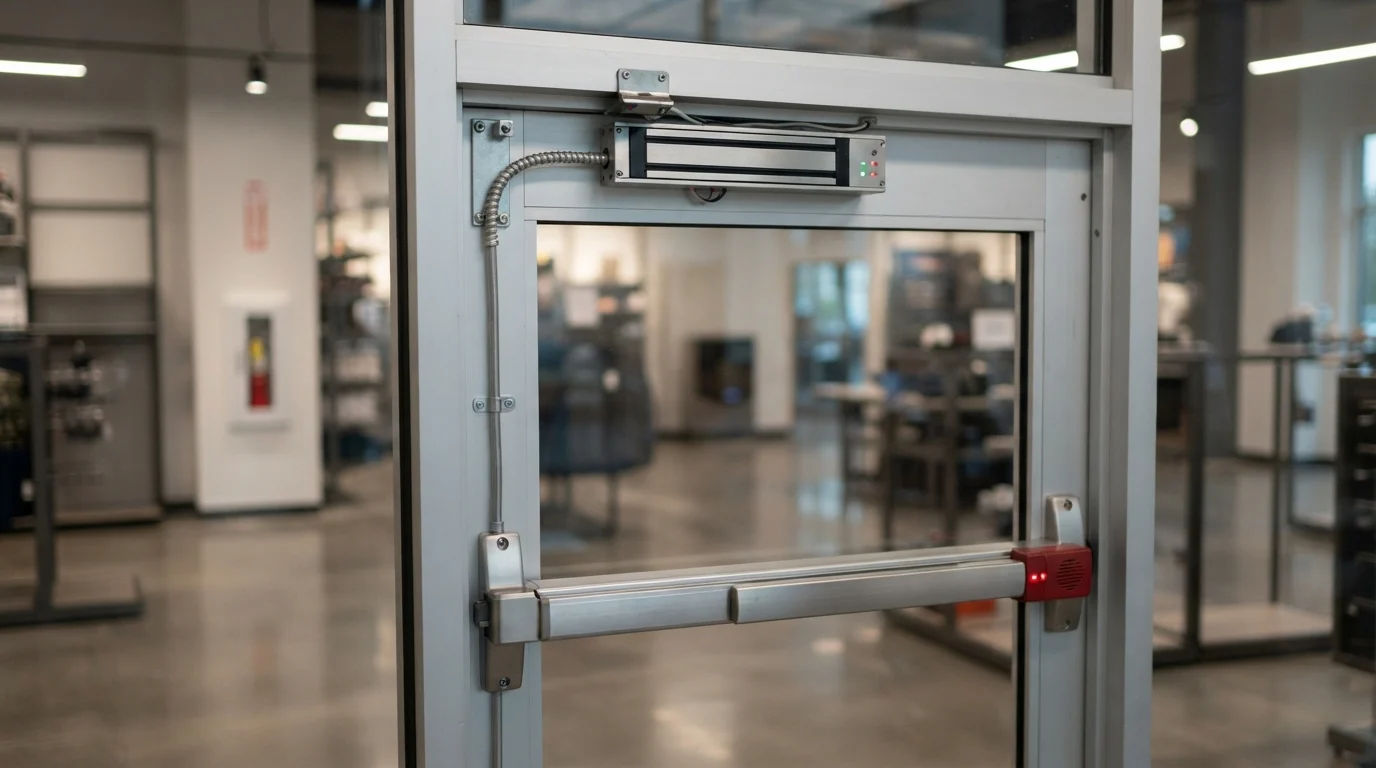
Delayed Egress Doors: What NJ Businesses Should Know
A business may want an exit door to stay secured against theft or unauthorized movement…
Why Exit Doors Must Open Easily in Commercial Buildings
An exit door that sticks during a normal workday is frustrating. During a fire, power…
Panic Bar Repair vs Replacement: What Business Owners Should Know
A staff member leans into your rear exit with a full tray, the bar clicks but the…
What Are Panic Bars and When Does Your Business Need Them?
You have seen them on almost every store, school, and office exit, a long horizontal bar across…
Why Commercial Doors Get Stuck and How to Fix Them
A commercial door can work perfectly for months and then suddenly become difficult to open…
Commercial Door Repair vs. Replacement: Which Option Is Best?
A commercial door stops working. What comes next? Many business owners struggle to decide between…
How Much Does Commercial Door Installation Cost in NJ 2026?
In commercial spaces, doors face constant use, weather exposure, and heavy foot traffic, which leads…