
Category: Door Repair
How to Handle Common Problems with Automatic Doors
Posted On: February 28, 2025
Automatic doors are built for convenience, but when they stop working properly, they can cause major headaches. A door that won’t open moves too slowly, or suddenly reverses can disrupt daily operations and even become a safety risk. Ignoring small malfunctions can lead to bigger, costlier repairs—or even a complete system failure. Knowing the most common automatic door issues and how to fix them without calling a door repair service in NJ can save you time and frustration.
In this blog, we’ll cover practical solutions for troubleshooting common problems with automatic doors and explain when it’s time to call for professional assistance.
Common Automatic Door Problems
Automatic Door Won’t Open or Close
When an automatic door refuses to open or close, the issue is often tied to the sensors or power supply. Sensors detect motion to trigger the door’s movement, but dirt, dust, or obstructions can interfere with their function. A quick fix is to clean the sensor lenses with a soft cloth and check if anything is blocking their range. If the problem persists, test the power source—tripped breakers, loose wiring, or unplugged units can also stop the door from operating.
If sensors and power aren’t the problem, check the door’s tracks. Misalignment, dirt buildup, or debris in the tracks can prevent smooth movement. Cleaning the tracks and ensuring they are properly aligned may resolve the issue. However, if the tracks are bent or the motor is failing, professional repair is the safest option.
Strange Noises While Opening or Closing
Automatic doors should operate smoothly and quietly. If you hear grinding, squeaking, or rattling, it’s a sign of mechanical trouble. Lack of lubrication is a common cause—when rollers and hinges dry out, they create friction and noise. Applying a manufacturer-approved lubricant can reduce wear and tear, improving the door’s performance. Additionally, loose bolts or screws can cause rattling, so tightening these components might solve the problem.
Persistent noises could indicate internal damage to the motor or gears. Over time, mechanical parts wear down, leading to irregular movements and loud operation. If lubrication and tightening don’t fix the issue, calling a door repair service in NJ can prevent further damage and ensure smooth functionality.
Door Moves Too Slowly or Hesitates
A sluggish door can be frustrating and may indicate an issue with the settings or power supply. Many automatic doors have adjustable speed controls that regulate opening and closing times. If your door is too slow, checking and adjusting these settings can restore normal operation. Additionally, unstable power connections or voltage fluctuations can impact door speed. Ensuring a steady power source can prevent delays and improve performance.
Another reason for slow movement is worn-out mechanical components. Over time, rollers, springs, and belts lose efficiency, causing resistance in movement. If adjusting settings doesn’t help, it’s best to have a professional inspect the internal components and replace any worn-out parts before they cause further problems.
Also Read: The Benefits of Installing Soundproof Doors in Your Home
Sudden Door Reversals
If your automatic door starts to close but suddenly reverses, safety sensors might be detecting an obstruction. These sensors are designed to prevent accidents by stopping the door from closing on people or objects. However, dust, small debris, or even bright sunlight can sometimes trigger false detections. Cleaning the sensor lenses and ensuring there’s nothing blocking their range can often fix this issue.
If the problem continues, the door’s balance may be off. Misaligned doors or worn-out tracks can cause the system to misinterpret movement, triggering a reversal. Inspecting the alignment and making necessary adjustments can help. If the issue isn’t obvious, professional recalibration of the safety sensors may be required.
Sensor Malfunctions
The sensors on automatic doors are crucial for detecting motion and ensuring safe operation. If they stop working, the door may not respond properly—either failing to open or closing unexpectedly. A common fix is to clean the sensor lenses, as dirt and dust can interfere with detection. If cleaning doesn’t help, adjusting the sensor’s position or range settings might resolve the issue.
However, if the sensors are completely unresponsive, there could be a deeper problem with the wiring or internal circuits. Faulty sensors can pose a safety risk, so if troubleshooting doesn’t work, it’s best to call a door repair service in NJ to inspect and repair the system before the issue worsens.
Also Read: How Aluminum Doors Improve Home Security
Need a Reliable Door Repair Service in NJ?
When automatic doors stop working, professional repair is often the best way to restore smooth operation. At Alpha Doors New Jersey, we specialize in diagnosing and fixing all types of automatic door issues, ensuring long-lasting performance and safety. Whether you’re dealing with faulty sensors, slow movement, or sudden reversals, our expert team provides fast and efficient solutions to keep your doors running smoothly.
Keep your doors operating flawlessly—contact us today for expert door repair service in NJ!










Alpha Doors & Security
Related Blogs
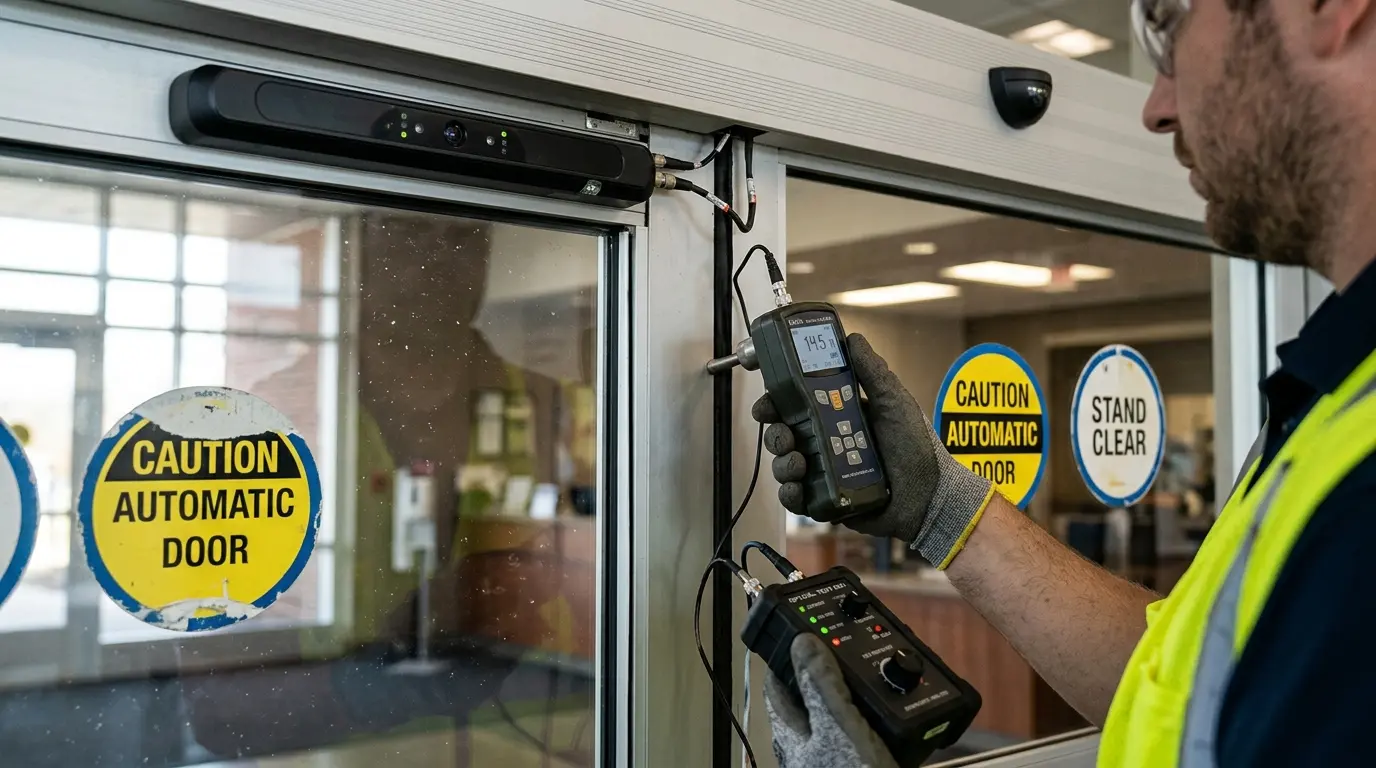
What Is an AAADM Automatic Door Inspection?
Your automatic doors open and close hundreds of times each day, often without anyone giving…
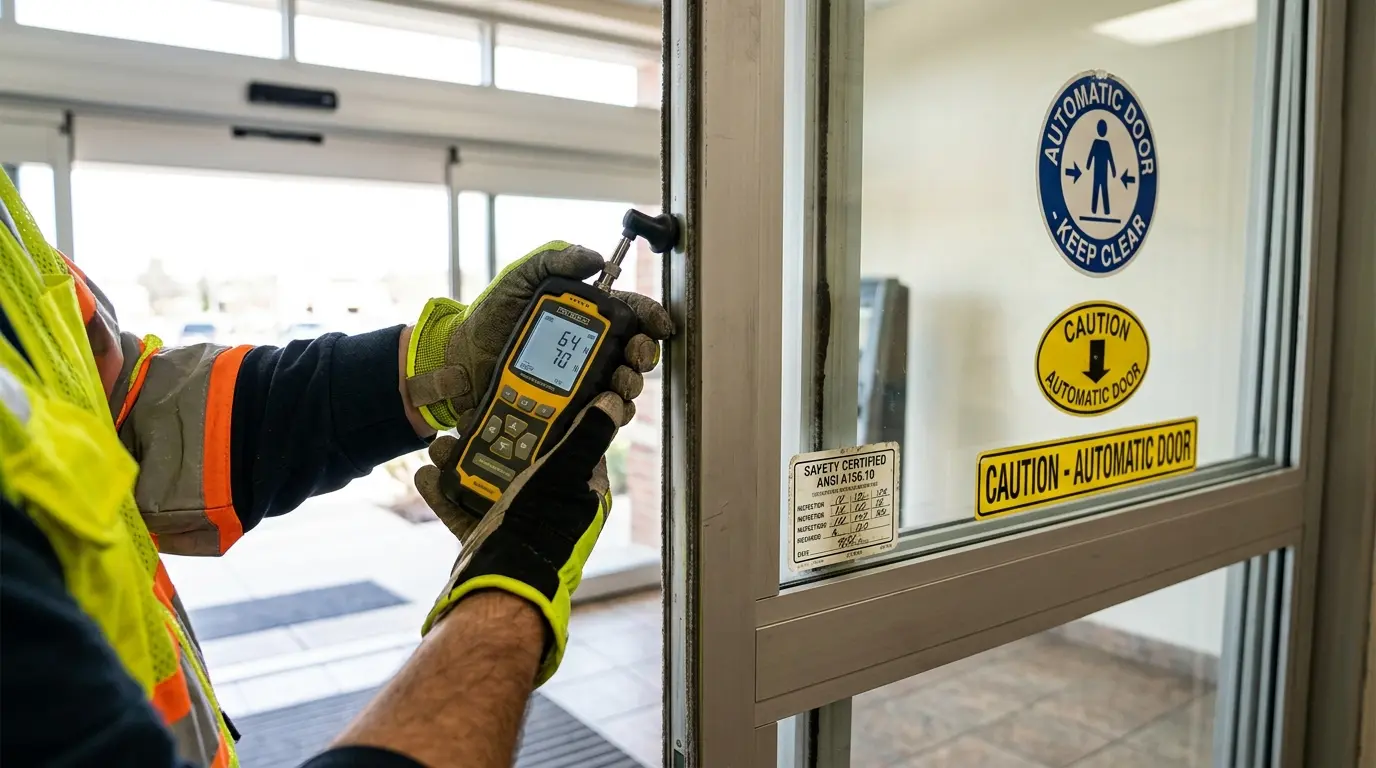
What Is an AAADM Certified Inspector and Why Does It Matter for Automatic Doors?
Every day, countless people trust your automatic doors to open smoothly and never close on…
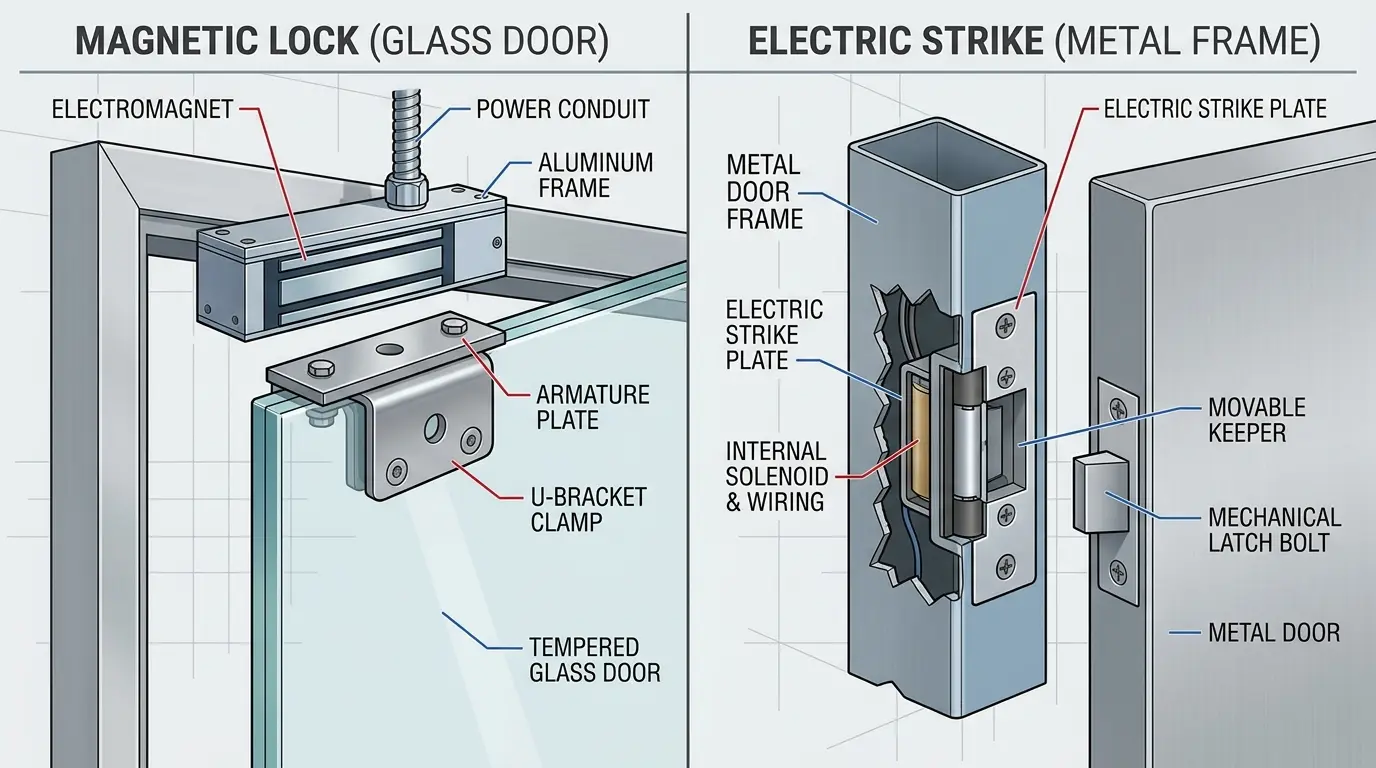
Magnetic Locks vs Electric Strikes for Commercial Doors
Your commercial door needs controlled access, but which locking system actually makes sense for your…
How Electrified Door Hardware Improves Building Access Control
A key can lock a commercial door, but it cannot dictate who should enter, when…
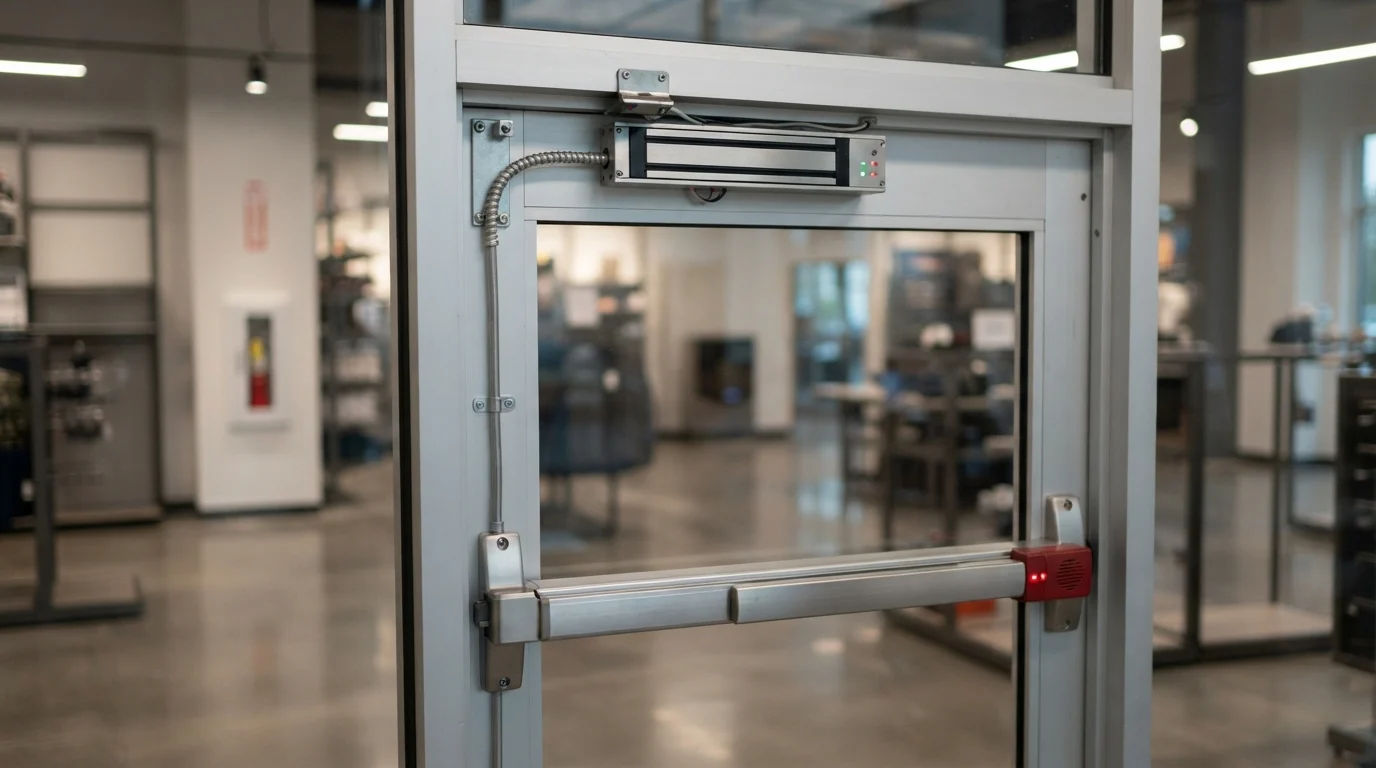
Delayed Egress Doors: What NJ Businesses Should Know
A business may want an exit door to stay secured against theft or unauthorized movement…
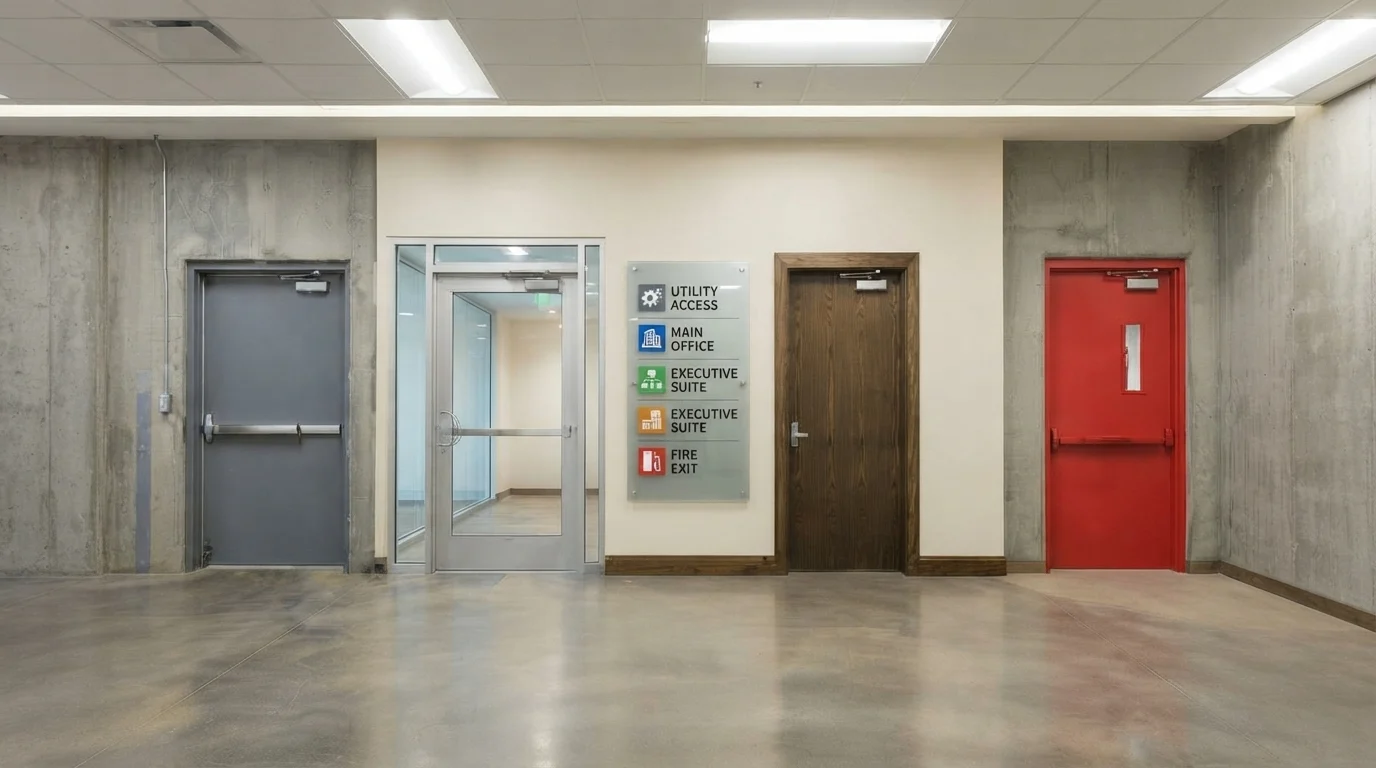
Why Exit Doors Must Open Easily in Commercial Buildings
An exit door that sticks during a normal workday is frustrating. During a fire, power…
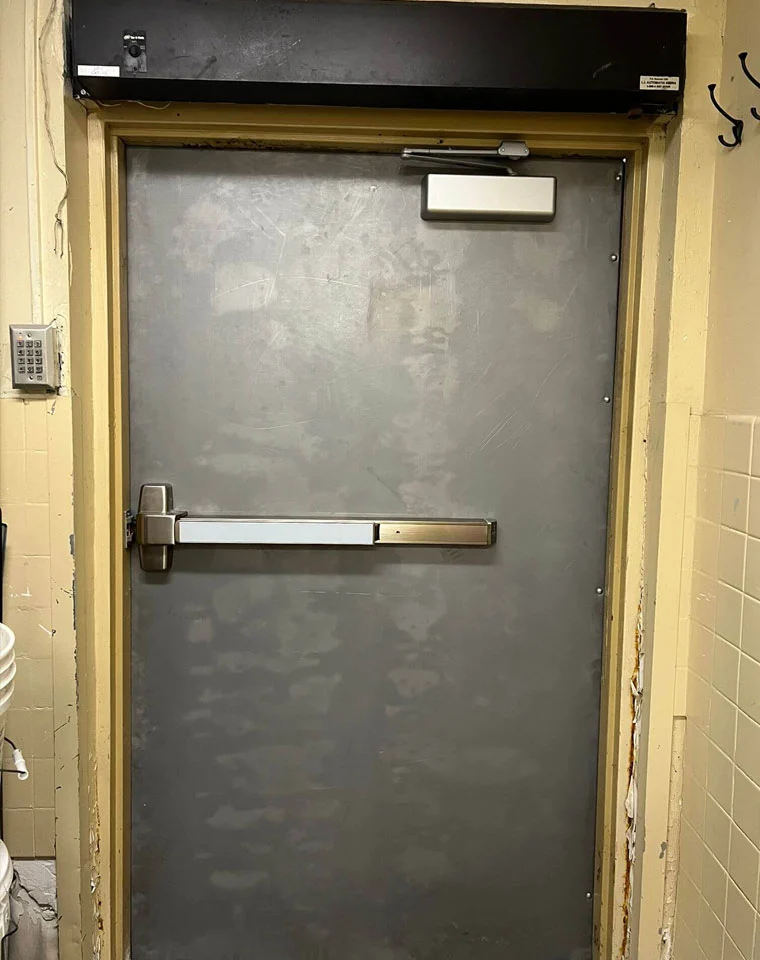
Panic Bar Repair vs Replacement: What Business Owners Should Know
A staff member leans into your rear exit with a full tray, the bar clicks but the…
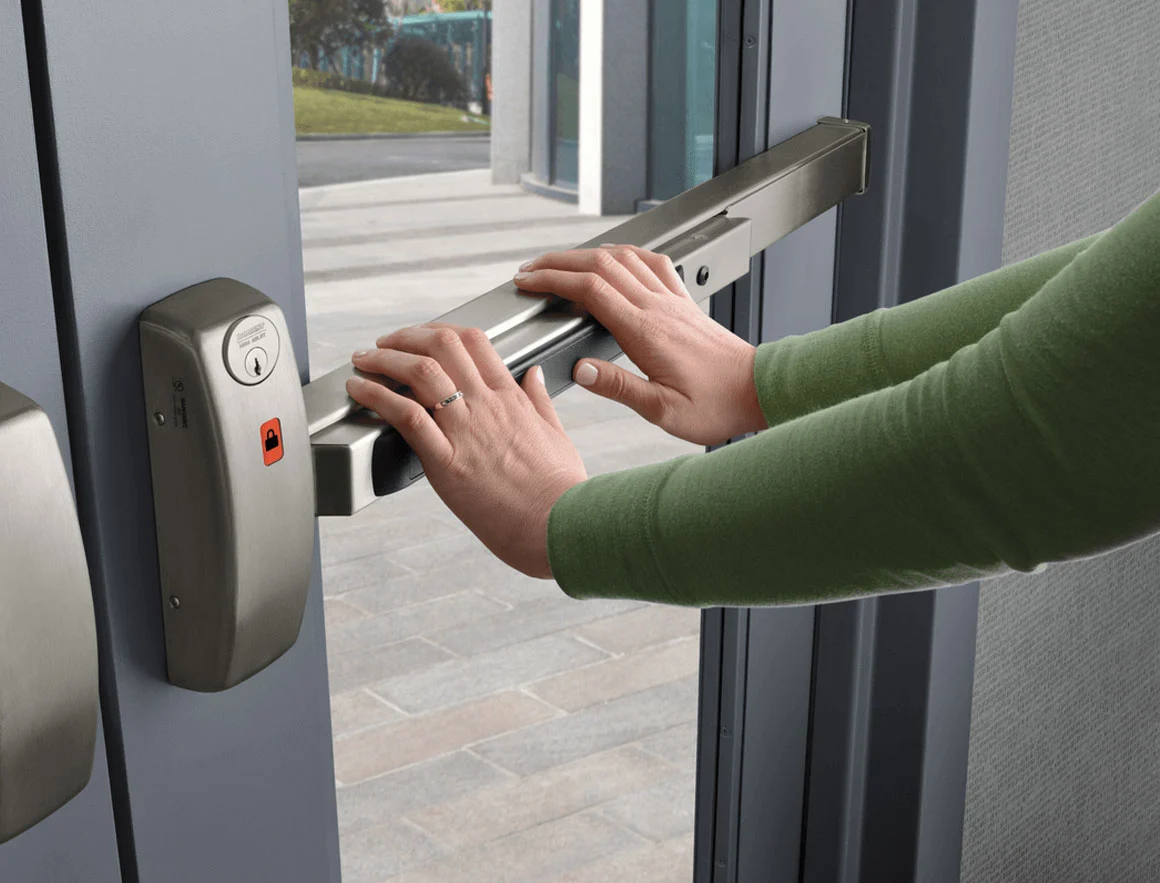
What Are Panic Bars and When Does Your Business Need Them?
You have seen them on almost every store, school, and office exit, a long horizontal bar across…
Why Commercial Doors Get Stuck and How to Fix Them
A commercial door can work perfectly for months and then suddenly become difficult to open…
Commercial Door Repair vs. Replacement: Which Option Is Best?
A commercial door stops working. What comes next? Many business owners struggle to decide between…