
Category: Door Tips
Everything You Need to Know About ADA-Compliant Doors
Posted On: July 20, 2025
Think about the last time you entered a building. You probably didn’t even mind the door. But for millions of people, a door can be an obstacle. If it is too narrow or too heavy, it may stop someone in their tracks. That’s why ADA-compliant doors are important.
ADA stands for the Americans with Disabilities Act. It is a law that ensures public spaces are accessible to all people, including those with disabilities. One essential part of that? Doors that are easy to open, safe to use, and have a wide range of mobility needs. This is about following the law and creating a friendly and future-ready environment.
Let’s go over everything you need to know about ADA-compliant doors. Read this blog to understand what they are and why they are important.
What are ADA-Compliant Doors?
ADA-compliant doors are those that meet the accessibility standards specified in the Americans with Disabilities Act (ADA). It is a federal law that protects the rights of disabled people. The goal is to ensure that everyone, regardless of physical ability, can enter public spaces securely and comfortably.
These doors are installed with unique features that provide access for everyone. Here’s what separates them:
- Width and Clearance
ADA-compliant doors must have at least a 32-inch clear opening. This provides sufficient space for wheelchairs, walkers, and mobility aids to move through.
- Opening Force
The door should be easy to open. Interior doors have a maximum opening force of 5 pounds. This ensures that even someone with limited strength can easily open the door.
- Minimum Height
The bottom of the doorway should not be higher than 1/2 inch. This helps prevent stumbling and provides a smooth entry for wheelchairs and walkers.
- Handle Type and Placement
Forget round knobs. ADA doors must have push or pull handles that are easy to operate with one hand. There should be no tight clutching or necessary twisting. For convenient reach, set the handles between 34 and 48 inches from the floor.
- Signage and Maneuvering Space
Clear signs are essential to indicate doors in public areas. Also, there should be enough room around the door for a wheelchair user to approach, open, and pass easily.
Who Needs ADA-Compliant Doors?
If your building is open to the public, you should follow ADA door guidelines. ADA-compliant doors are not limited to hospitals and government buildings. They are required in all settings where people go daily.
Here’s who usually requires them:
- Businesses and Commercial Properties
Restaurants, shops, offices, hotels, and other businesses. If customers, clients, or staff need to enter, your doors must be accessible.
- Schools and Educational Institutions
Schools must make it easier for students, staff, and guests with mobility issues to access every area.
- Healthcare Facilities
Hospitals, clinics, nursing homes, and therapy centers all need compliant doors to ensure patient and visitor safety.
- Government Buildings
Any city, state, or federal government building must meet ADA accessibility standards.
- Multi-Family Housing & Apartment Buildings
While most family houses are exempt, facilities in flats and condos require ADA-compliant doors.
If your property is open to the public or operates as a workplace, ADA-compliant doors are required by law. And if you live in New Jersey, dealing with professionals in door installation in NJ can help you stay compliant.
What are the Benefits of Installing ADA-Compliant Doors
Installing ADA-compliant doors allows you to make your facility more accessible and safer for everyone. Here’s why making your doors ADA-friendly is an advantage.
- Accessibility for Everyone
ADA-compliant doors make it easier for individuals in wheelchairs, walkers, and strollers to enter. This means that everyone can easily access your space.
- Legal Compliance
Meeting ADA regulations helps you avoid penalties, lawsuits, and complaints. Installing the appropriate doors ensures your place remains compliant and worry-free.
- Better Customer Experience
When visitors discover your place is accessible, they feel more welcome and are happier to return. ADA-compliant doors show that you care about all your visitors.
- Increased Property Value
Accessible buildings attract buyers, renters, and tenants. Making your space ADA-compliant increases its long-term value and appeal.
- Modern Look & Functionality
ADA doors frequently have optimized hardware, automatic openers, and clean designs. They perform and look better.
What are the Common Mistakes to Avoid
Even with the best intentions, some doors fail to meet ADA compliance standards. Here are a few common mistakes that can make a door difficult for some people to use.
Thresholds That Are Too High
Ensure the doorway’s bottom is smooth and low. If it’s too high, it can pose a hazard or hinder wheelchair accessibility.
Doors That Are Too Heavy
If a door is difficult to push or pull, it is not ADA compliant. Doors should be easy to open, even for people with limited strength.
Handles in the Wrong Spot
Door handles should be easily accessible and not too high or low. They should also be easy to use with one hand, without twisting or squeezing heavily.
Poor Maintenance of Automatic Doors
Even automatic doors can fail if not maintained. If the door opener fails or does not stay open long enough, it can prevent access. Regular maintenance is essential in keeping everything working smoothly.
Also Read: Common Door Installation Mistakes and How to Avoid Them
The Importance of Professional Installation
Installing a door seems simple. However, when it comes to ADA compliance, every little detail counts. Everything must comply with regulations. That’s why hiring an expert is essential.
Professional installers are familiar with all of the ADA rules. They ensure everything is measured and installed correctly. They have the necessary tools to complete the task and help avoid mistakes that could result in trouble or safety issues. Plus, experts can perform future maintenance like repairing automatic openers or adjusting closers. If you live in New Jersey, hiring professionals for door installation in NJ is the best way to ensure your area is secure and compliant.
Conclusion:
ADA-compliant doors aim to make your facility accessible to everyone. Every person, whether a customer, employee, student, or guest, deserves to use a door with ease. When it comes to getting it right, professional support is essential. If you want dependable and high-quality door installation in NJ, call the professionals. They know how to do it correctly. With them, you can make your space smarter and welcoming.
Ready to Install ADA-Compliant Doors the Right Way in NJ?
If you live in New Jersey and need doors that satisfy all the right standards, Alpha Doors & Security is the team to call. We specialize in professional, code-compliant door installation in NJ. We understand what it takes to build secure and accessible entryways.
Let’s work together to improve accessibility. Contact Alpha Doors & Security to receive the quality service your space deserves.










Alpha Doors & Security
Related Blogs
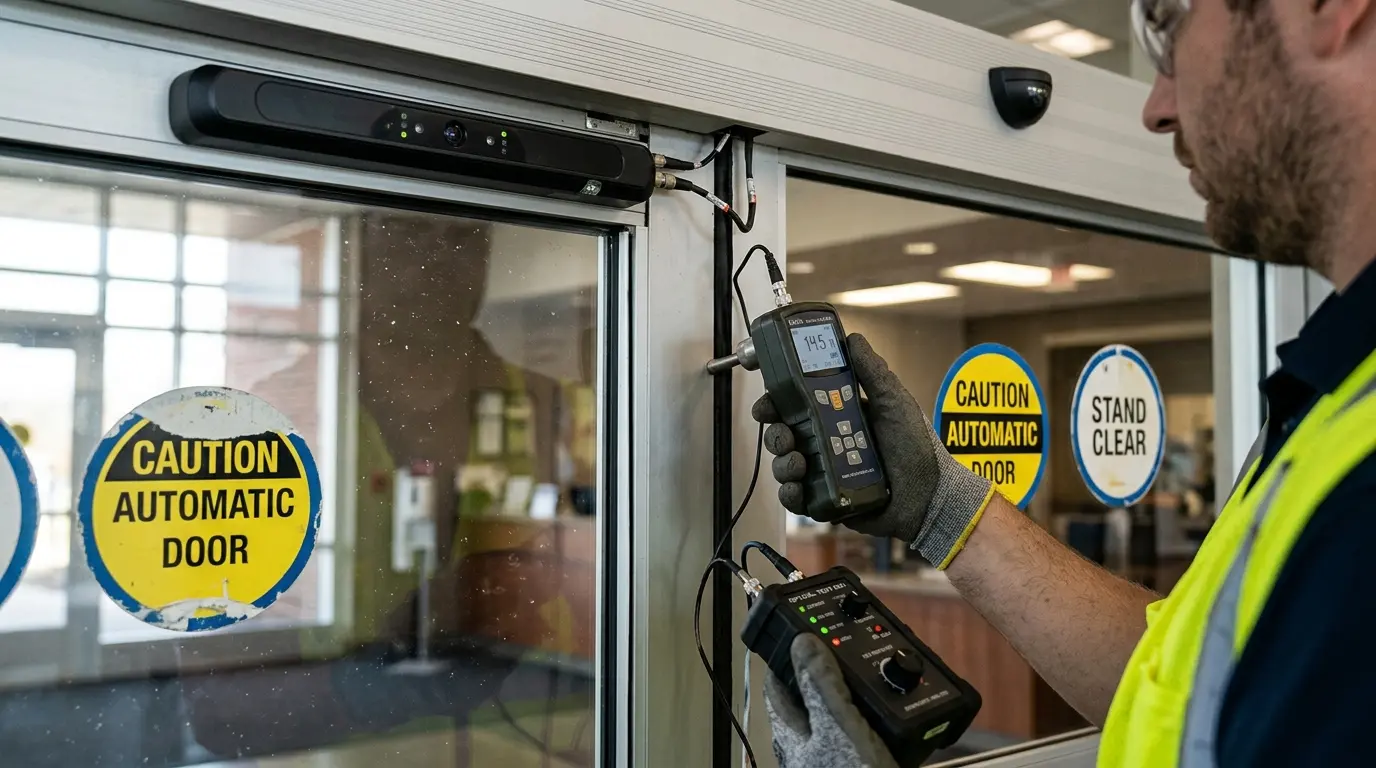
What Is an AAADM Automatic Door Inspection?
Your automatic doors open and close hundreds of times each day, often without anyone giving…
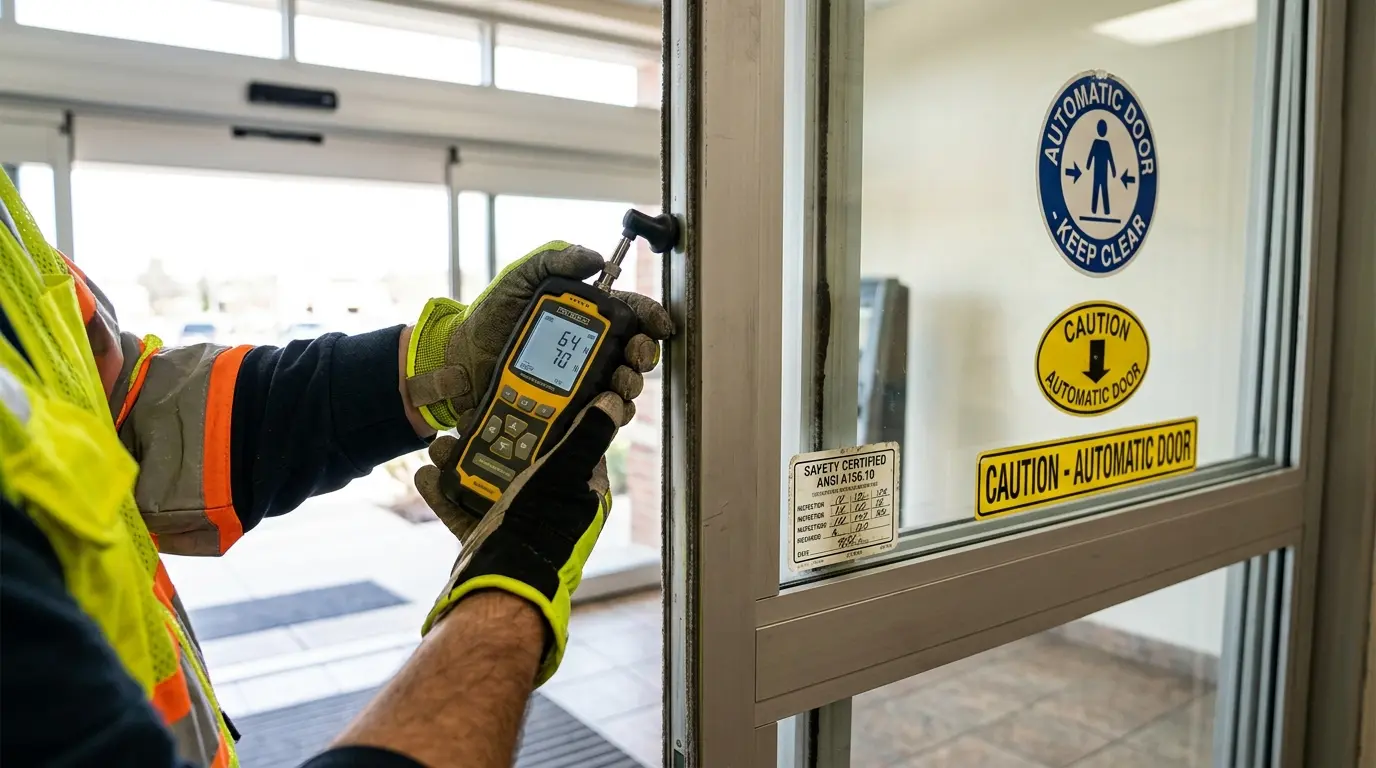
What Is an AAADM Certified Inspector and Why Does It Matter for Automatic Doors?
Every day, countless people trust your automatic doors to open smoothly and never close on…
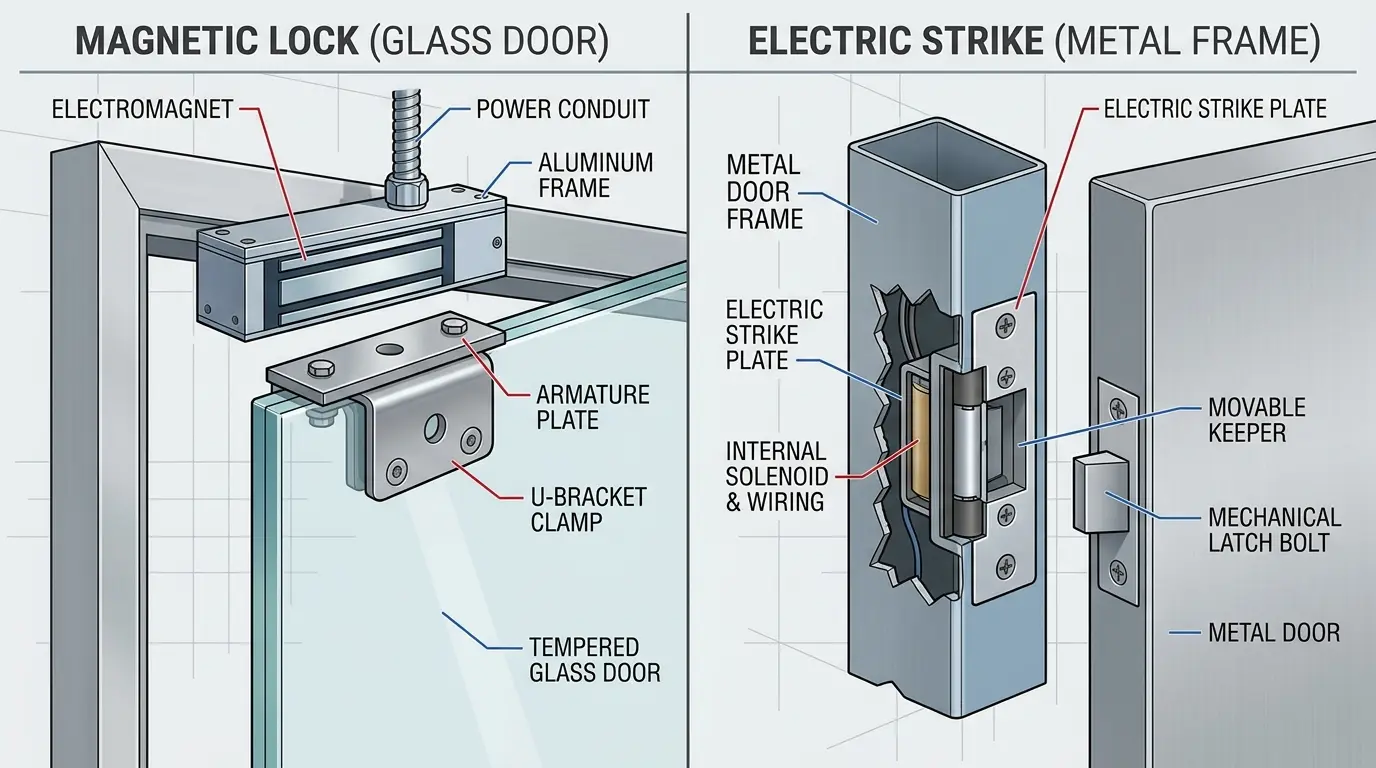
Magnetic Locks vs Electric Strikes for Commercial Doors
Your commercial door needs controlled access, but which locking system actually makes sense for your…
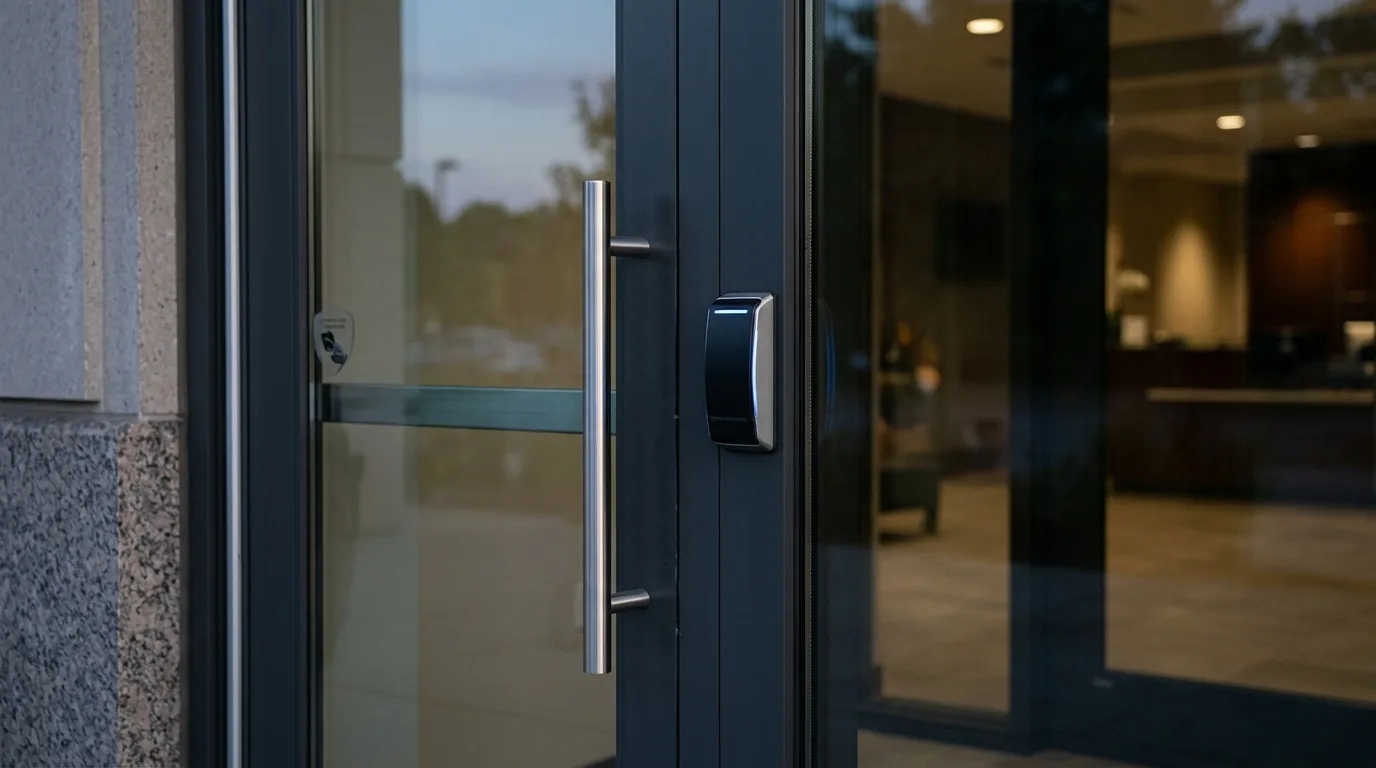
How Electrified Door Hardware Improves Building Access Control
A key can lock a commercial door, but it cannot dictate who should enter, when…
Delayed Egress Doors: What NJ Businesses Should Know
A business may want an exit door to stay secured against theft or unauthorized movement…
Why Exit Doors Must Open Easily in Commercial Buildings
An exit door that sticks during a normal workday is frustrating. During a fire, power…
Panic Bar Repair vs Replacement: What Business Owners Should Know
A staff member leans into your rear exit with a full tray, the bar clicks but the…
What Are Panic Bars and When Does Your Business Need Them?
You have seen them on almost every store, school, and office exit, a long horizontal bar across…
Why Commercial Doors Get Stuck and How to Fix Them
A commercial door can work perfectly for months and then suddenly become difficult to open…
Commercial Door Repair vs. Replacement: Which Option Is Best?
A commercial door stops working. What comes next? Many business owners struggle to decide between…